Reviewed · NEW YORK CITY TOURS
NYC: Discover NYC Subway Secrets Below Manhattan – Private
The New York subway has a knack for hiding its past in plain sight. On this private, two-hour tour, urban planner Rayn Riel connects old stations, abandoned platforms and modern transit hubs, showing how the city’s underground system grew into the daily lifeline of a region of more than 20 million people.
I like two things in particular: the mix of early subway architecture and present-day infrastructure, and Rayn’s focus on the nuts and bolts, from old signaling to the politics behind costly stations. The group price also makes this an unusually good value when shared among several people.
One consideration: this is a walking tour in a working subway system, not a visit to restricted tunnels. Expect steps, station noise and a route that may shift with weekend service changes. Wear comfortable shoes, and keep in mind that the tour is dense with information.
- City Hall Station: Learn about the famous 1904 station and the older subway details still visible in public areas.
- Subway history with an urban planner: Rayn Riel explains how the network was built, how it works and why it changed.
- Downtown’s difficult chapters: Hear how 9/11 and Hurricane Sandy affected the subway and what resilience means for the system now.
- A cellar beneath the Brooklyn Bridge: Find out how a former wine cellar connects to subway tunnels.
- New transit landmarks: Compare the older system with Fulton Center and the World Trade Center Transportation Hub.
- Private group, fare included: The $200 price covers up to 15 people, and subway rides and personal earpieces are provided.
Starting below Battery Park
Meet at the Starbucks at One Battery Park Plaza on State Street. The tour begins in Lower Manhattan, where the subway is more than a way to get from one neighborhood to another: it is part of the city’s built history, layered beneath streets shaped by commerce, transport and redevelopment.
Rayn Riel is a licensed NYC guide and certified urban planner. He is also a former MTA employee, a useful combination for a tour that moves between architecture, daily operations and public spending. You are not just looking at decorative tile or an old platform. You are hearing how decisions about routes, stations and equipment affect the way the system works today.
The group is private, so the pace and conversation stay with your party rather than a larger mixed crowd. That can suit a family, a small group of friends or a transit-minded visitor who wants room to ask questions. Rayn’s style, as reflected in the tour’s subject matter, includes both technical detail and humor. His explanations range from practical system quirks to topics suitable for a transit trivia night.
Reading the first subway’s architecture
The original subway opened in 1904, and the tour puts its earliest stations in context. You’ll hear why Manhattan’s transit system was built underground at the start of the 20th century, then look for clues in the design and details that survive in older stations.
The point is not simply to admire a few old surfaces. A station’s layout and decoration can tell you how early subway builders imagined public transport, and how that vision differs from the clean-lined stations built in the 21st century. Rayn also explains that three separate companies built parts of the subway, a fact that helps make sense of why the network can feel like several systems stitched together.
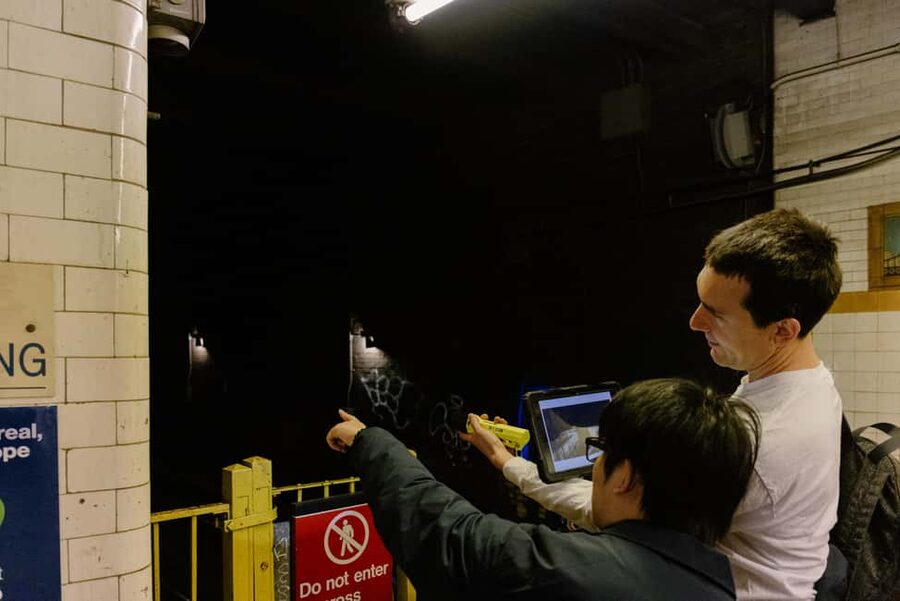
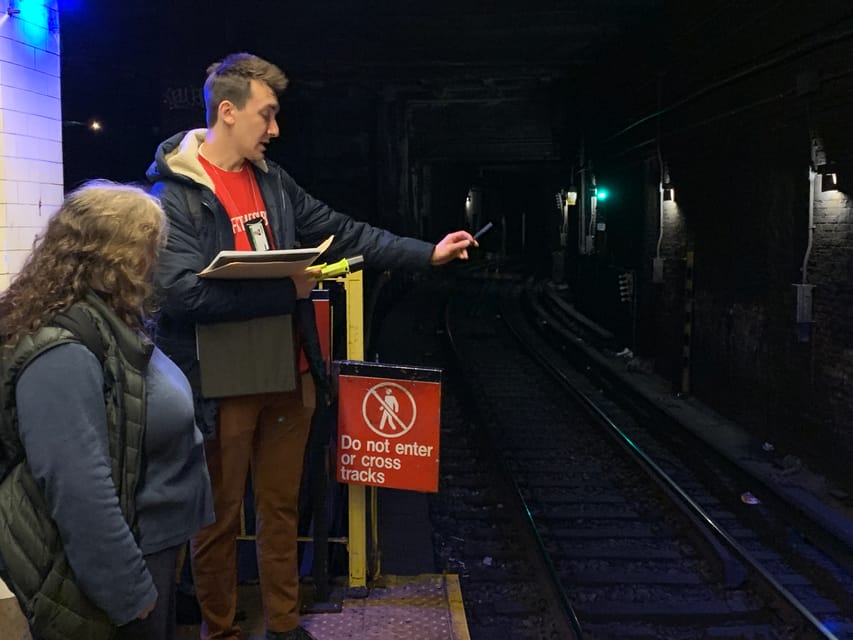
Expect a steady stream of small observations. Even a detail as unglamorous as a dripping pan can open a window onto the practical work of running an old underground system. That mix of visible design and behind-the-scenes function is a strength of the tour: you leave with more than a list of dates and names.
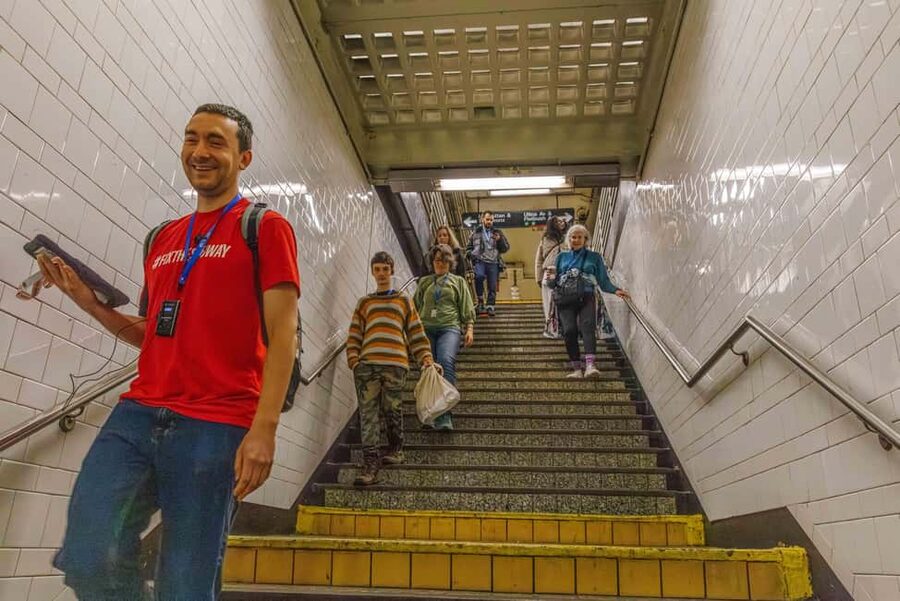
The setting is still a public transit system, not a museum. Trains arrive, people commute and station noise is part of the experience. Individual earpieces are provided so you can hear Rayn without needing to crowd around him, a helpful touch in a busy station.
More tours and experiences in New York City:
- NYC: SUMMIT One Vanderbilt Tickets
★ 4.7 · 51,195 reviews - NYC: 9/11 Memorial & Museum Timed-Entry Ticket
★ 4.8 · 31,428 reviews - NYC: Empire State Building Tickets – Observatory & Museum
★ 4.7 · 25,757 reviews
City Hall Station and what remains out of sight
City Hall Station is one of the tour’s signature subjects. Opened in 1904, it is among the subway’s most famous early stations, and its story illustrates how parts of the system can disappear from everyday use while remaining central to New York’s transit lore.
The phrase hidden in plain sight needs a little care here. The tour visits public areas only and does not enter restricted spaces. You’ll learn about abandoned stations and platforms, including City Hall, but should not expect access to closed tunnels or off-limits rooms. The experience is about understanding what is there and why, not sneaking past a barrier.
That distinction makes the tour practical for visitors who want a grounded account of the city’s underground without mistaking it for an urban exploration expedition. Rayn can explain the history and point out features from areas open to the public. The exact view or route may depend on the MTA’s weekend schedule, so the tour’s route can vary slightly.
The Brooklyn Bridge’s unexpected cellar connection
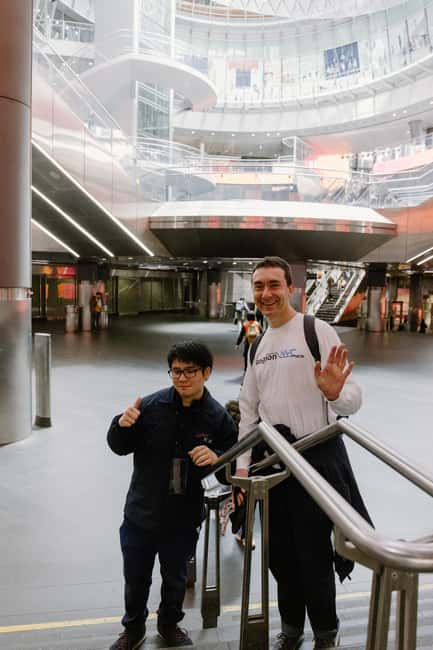
One of the more unusual stories concerns a former wine cellar beneath the Brooklyn Bridge, connected to subway tunnels. It is an evocative reminder that the underground has served many purposes over time, not all of them obvious to the passenger rushing for a train.
The cellar connection also gives the tour a welcome change of scale. Big projects such as the subway and bridge can dominate the story, but small remnants and odd connections are often what make the city feel tangible. You’ll hear how this cellar relates to the subway from inside a station, bringing an obscure piece of Lower Manhattan’s past into the everyday setting of a platform.
The details offered do not promise access to the cellar itself. Treat this as a story and a connection to look for, rather than a cellar visit. That is typical of the tour’s approach: public space, close observation and clear explanation instead of access to restricted infrastructure.
Flooding, 9/11 and the subway’s resilience
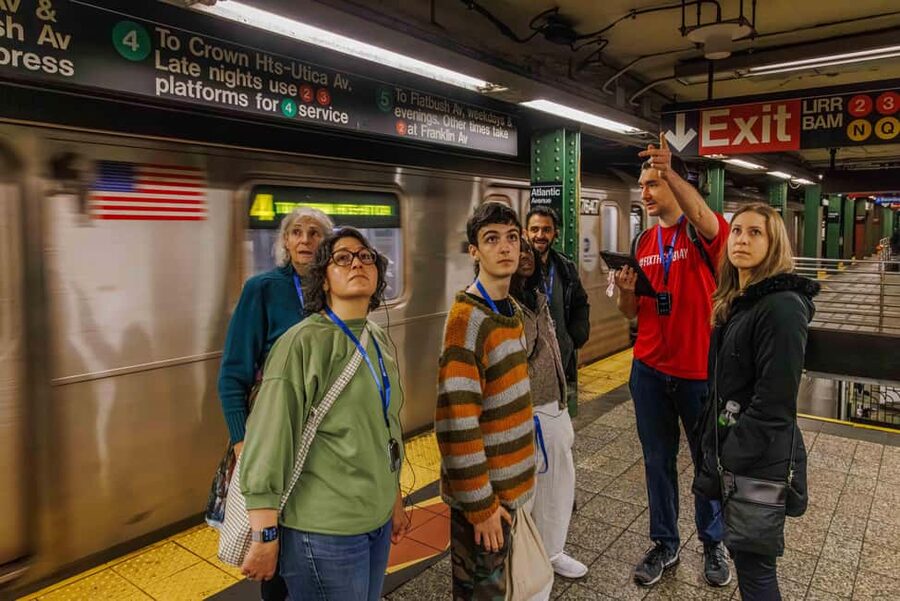
The subway’s underground location is both its strength and its vulnerability. Rayn covers the effects of Hurricane Sandy, including the catastrophic flooding of a station, and explains how the network has worked to become more resilient. The supplied tour details do not name the flooded station, so the important takeaway is the scale of the damage and the challenge of protecting a system built below street level.
The tour also examines the impact of 9/11 on downtown transit. Platforms collapsed beneath the World Trade Center, and the surrounding subway network had to confront severe damage and disruption. Hearing about those events in the area they affected gives the subject a physical context that a general history book cannot provide.
This section is likely to appeal if you are interested in how public infrastructure responds to crisis. It is not only a story about loss or recovery; it is also a way to understand why the subway’s design, maintenance and emergency planning matter to a city that depends on it. The subject can be sobering, but it belongs in any honest account of downtown’s transit history.
Want a different angle on the city?
- NYC: Empire State Building Observation Deck Tickets
★ 4.7 · 22,072 reviews - New York City: Statue of Liberty & Ellis Island with Ferry
★ 4.6 · 18,683 reviews - New York City: American Museum of Natural History Ticket
★ 4.5 · 15,447 reviews - Statue of Liberty and Ellis Island Tour: All Options
★ 5.0 · 13,571 reviews
Comparing Fulton Center with the Oculus
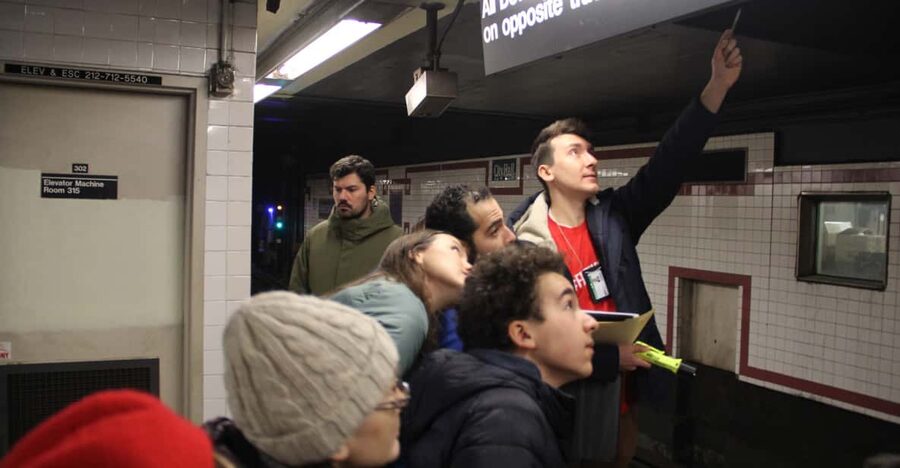
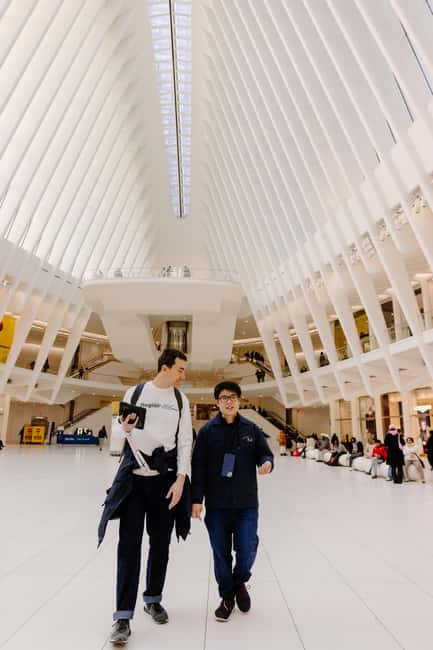
The route brings the story forward to downtown’s newer stations and hubs, including Fulton Center, a $1.4 billion project, and the World Trade Center Transportation Hub, known as the Oculus, which cost $4 billion. These large investments offer a sharp contrast with the subway’s early stations and its older, more utilitarian spaces.
Rayn places the modern projects in the context of transit politics and public spending. That matters because the price tags are not abstract figures: they invite questions about what a station is expected to do, how it fits into a broader network and why major projects draw debate. The tour touches on the politics surrounding some of the MTA’s costliest stations, as well as what the new downtown spaces mean for the subway’s future.
The experience concludes around the World Trade Center Transportation Hub, where food and drinks are available for purchase. The meeting details also say the activity ends back at the starting point, so there is a discrepancy in the stated end location. Confirm the exact finish with the operator before you go, especially if you have a timed reservation afterward.
Two hours underground, with a lot to take in
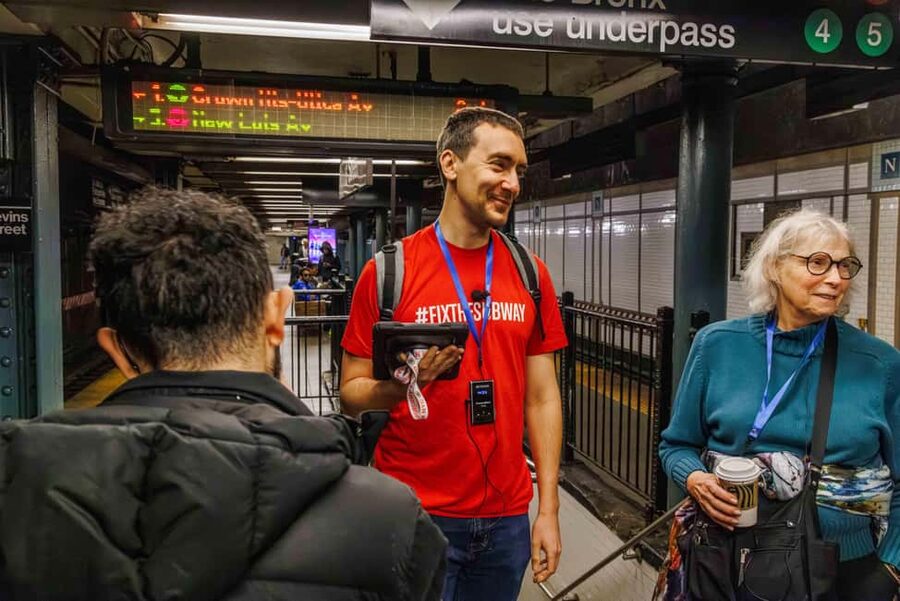
Two hours is short enough to fit into a New York day, but this is not a slow stroll with long breaks. The tour covers a large amount of physical ground and moves through several subway stations. Rayn’s explanations are information-rich, with subjects ranging from technical details, including the system’s largely mechanical signaling, to current questions about infrastructure and transit policy.
That density is part of the appeal, especially if you enjoy learning how things work. It can also be a lot to absorb at once. If you prefer a tour with long pauses, broad scenic views or little walking, this may feel brisk. If you like connected facts and want the city’s transport system to make more sense, the pace should suit you.
The tour includes full subway fare, so you do not need to budget separately for rides during the experience. Personal earpieces are provided to help you hear Rayn clearly, even when the group spreads out. Bring water, wear comfortable shoes and be ready to go up and down steps.
Who gets the most from this tour
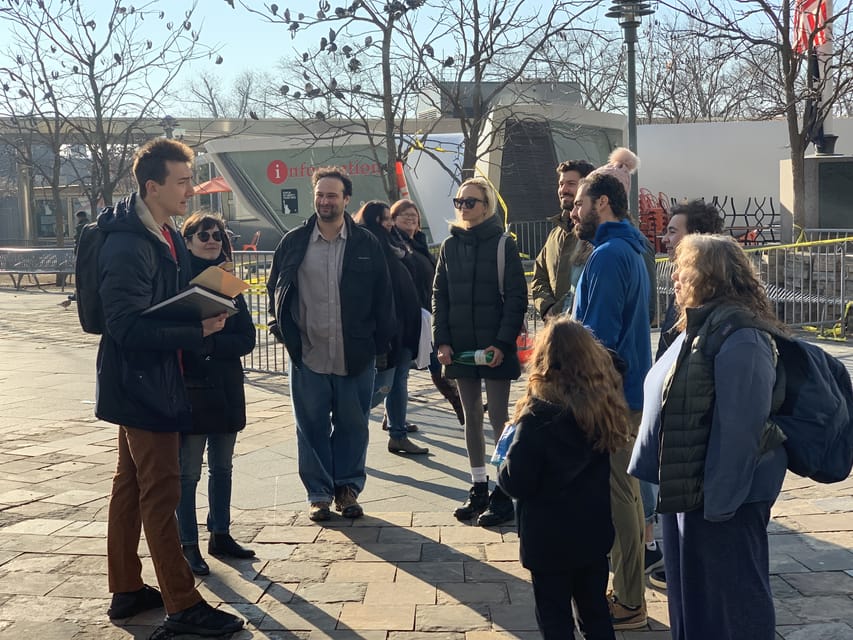
You do not need to be a train enthusiast to enjoy this tour. It works well for curious visitors who want a different angle on New York, particularly if you have already seen the familiar landmarks and want to understand the infrastructure beneath them. The history, architecture and city-planning context give non-specialists plenty to follow.
Transit fans have an obvious reason to book. Rayn’s background spans planning, subway operations, history and politics, and the conversation can get into fine-grained details that an ordinary sightseeing walk would skip. Even a young person who is normally wary of tours may find the trains and practical facts more engaging than a standard museum visit.
This is also a strong private-group choice for people who want to share an experience without paying a per-person tour price. At $200 for up to 15 people, a full group pays about $13.33 per person. For two people, the same price works out to $100 each, so the value depends heavily on how many of you are booking. Compare the group total with your party size rather than assuming it is a low-cost choice for a couple.
Is the private subway tour worth booking?
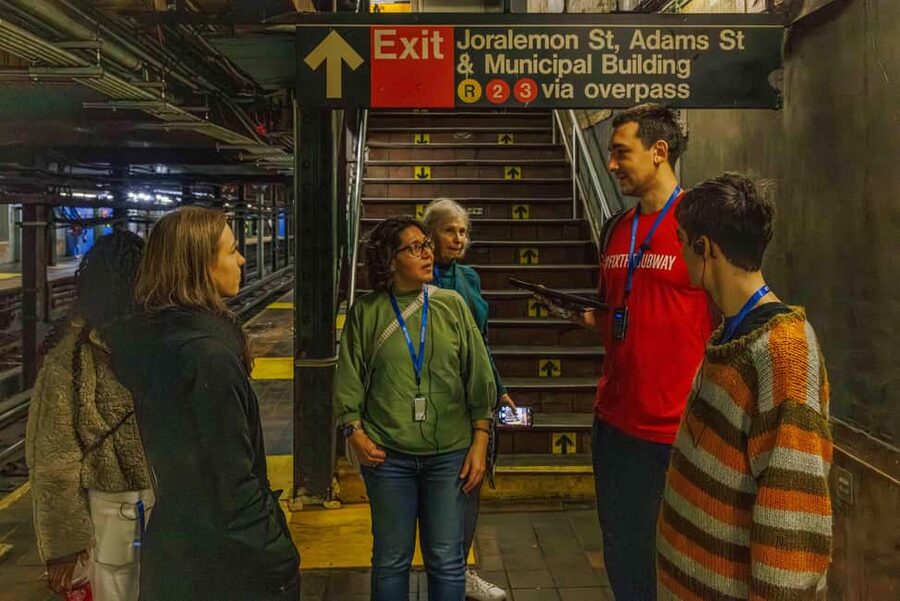
I’d book this if you are curious about how New York works below street level, enjoy detail and want a guide who can connect old stations to present-day transit decisions. The City Hall story, unusual cellar connection, downtown recovery and modern hubs give the route a clear arc rather than a collection of unrelated subway trivia.
Think twice if you want to enter closed stations, avoid steps or prefer a leisurely walk with little technical information. The tour stays in public areas, and its route can shift with weekend service. For a group that enjoys history, urban planning or trains, though, the private format and included fares make this a distinctive way to spend two hours in Lower Manhattan.
FAQ
How long is the tour?
The tour lasts two hours. Starting times depend on availability.
What is the price?
The private tour costs $200 per group for up to 15 people. The price is for the group, not each person.
Is subway fare included?
Yes. Subway fare during the tour is included.
Who leads the tour?
Licensed NYC guide and certified urban planner Rayn Riel leads the tour. He is also a former MTA employee.
Does the tour enter abandoned stations or restricted areas?
No. The tour visits public areas only and does not access restricted spaces. It covers abandoned stations and platforms from public areas.
How much walking is involved?
The tour involves walking through an underground environment and going up and down steps. Comfortable shoes are recommended.
What language is the tour in?
The live tour is in English.
Where does the tour start and finish?
The listed meeting point is the Starbucks at One Battery Park Plaza on State Street. The end details differ: one says the tour concludes at the World Trade Center Transportation Hub, while another says it ends back at the meeting point. Confirm the finish location before your tour.
Can I cancel the booking?
Yes. You can cancel up to 24 hours in advance for a full refund.
New reviews from New York City
- 3 Hour Session at Williamsburg’s Adventure Park Area 53★ 3.5 · 6 reviews
- 3-Day Immersive Photography Workshop in New York City★ 5.0 · 5 reviews
- Midtown Manhattan: Times Square & Skyscrapers Walking Tour★ 5.0 · 18 reviews
- 3 Hour NYC Photography Workshop★ 5.0 · 45 reviews
- Central Park Pedicab Guided Tours – 1, 1.5 & 2Hrs★ 5.0 · 24 reviews
- Central Park Private Pedicab Tour (2hrs)★ 5.0 · 37 reviews
- Niagara Falls, Toronto and 1000 Islands, 3 Day Tour from NYC★ 4.5 · 114 reviews
- New York Day Sail to the Statue of Liberty on Schooner America★ 5.0 · 66 reviews
New York City Tours, compared.
Empire State Building Tickets – Observatory & Museum
Read our review →
Empire State Building Observation Deck Tickets
Read our review →
Statue of Liberty and Ellis Island Tour: All Options
Read our review →