Reviewed · NEW YORK CITY TOURS
NYC: The Secrets of Grand Central Terminal
The tennis courts are not the first thing you expect to find inside a train station. On this 90-minute walk through Grand Central Terminal, you’ll also hear the whispering gallery at work and get a peek toward glass walkways most people pass without noticing.
I like two things in particular: the tour connects the building’s lovely details to its practical history, and it takes you beyond the obvious main atrium. Guides such as John, Richard, Jonathan and AJ are praised for lively storytelling, clear explanations and care for the group.
One consideration: Grand Central is an active terminal, so crowds and the pace of the tour can affect how long you linger at each stop. The advertised duration is 90 minutes, but some tours have run longer. Wear comfortable shoes, and remember that a peek at restricted spaces is not the same as going inside.
What makes this Grand Central tour worthwhile

- Find the tennis courts: Look for an unexpected sports facility tucked inside the terminal.
- Try the whispering gallery: Stand in a spot where sound carries in a surprising way.
- Spot traces of a lost movie theater: Hear what remains of a once-forgotten part of the station.
- See the glass walkways from the entrance: The tour offers a look toward areas that are normally off limits, not access to walk through them.
- Take in the Campbell: Visit a tucked-away bar that was once the private office of a business tycoon.
- Follow the building’s changing fortunes: Learn about Grand Central during the railroad boom, its years as a rundown embarrassment, and its later renovation.
Begin at track 29, then look up

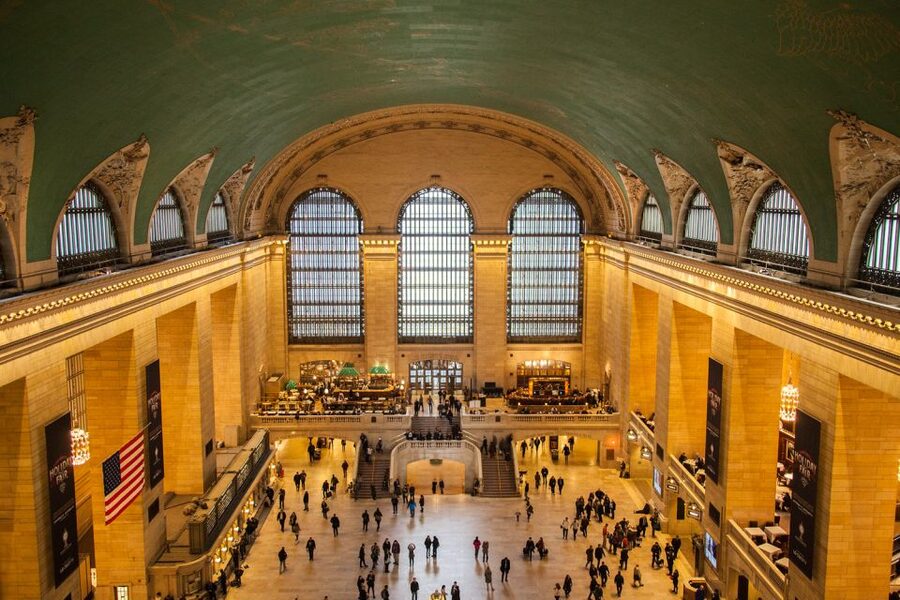
Meet your guide inside Grand Central’s main atrium, in front of track 29. This is a useful starting point: you’re already in the building’s grand central room, surrounded by commuters, visitors and the ornate details that can be easy to miss when you’re hurrying for a train.
The tour is led in English by a local New Yorker, and headsets help you hear the guide over the steady activity of the terminal. That matters here. Grand Central is not a quiet museum, and a clear voice makes it easier to keep up without crowding around the guide.
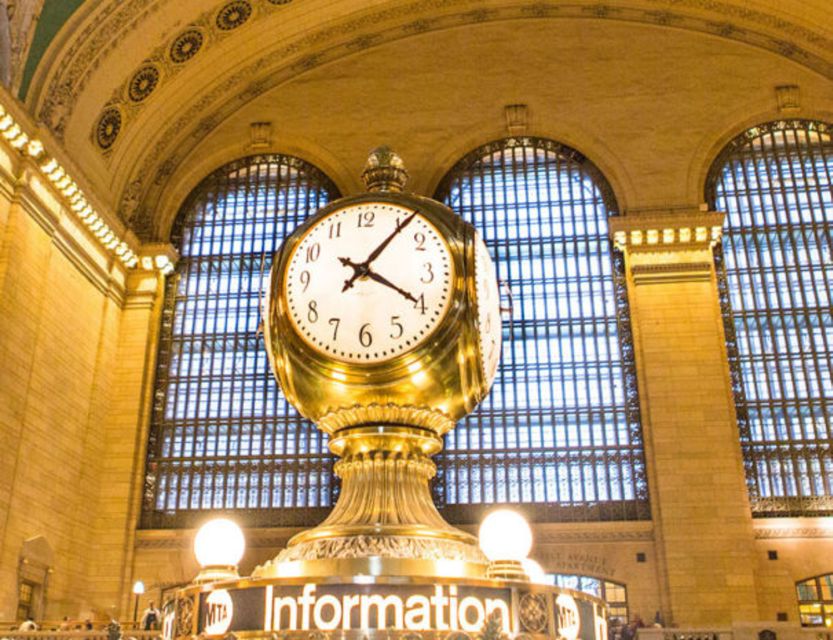
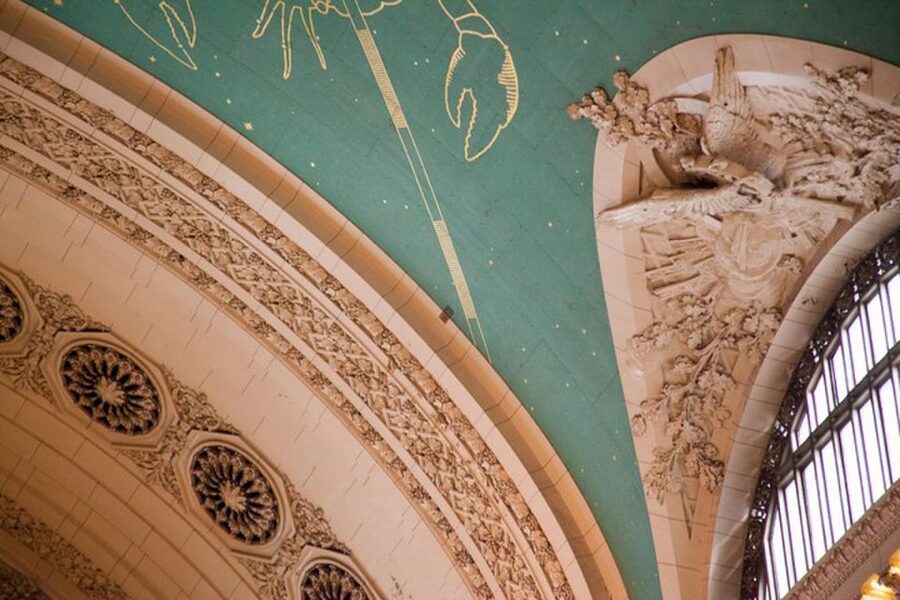
The main atrium is a natural introduction to the station’s architecture and story. You’ll see the world’s largest Tiffany clock and hear about a major design flaw in the atrium. The point is not just to admire the room, but to understand how its grand appearance and practical use fit together, and where the building’s ambitious design created problems.
You’ll also hear about a multi-million-dollar jewel hidden in plain sight. Keep an eye out as the guide explains where to look. It’s a good example of the tour’s appeal: once you know what you’re seeing, a familiar room can suddenly feel full of secrets.
More tours and experiences in New York City:
- NYC: SUMMIT One Vanderbilt Tickets
★ 4.7 · 51,195 reviews - NYC: 9/11 Memorial & Museum Timed-Entry Ticket
★ 4.8 · 31,428 reviews - NYC: Empire State Building Tickets – Observatory & Museum
★ 4.7 · 25,757 reviews
Seek out the places commuters overlook
Grand Central works as a railway terminal, but it rewards a slower look. The tour steers you toward corners and rooms that you might pass on a regular commute without realizing they are there. That change of pace is valuable even if you already know the main atrium well.
The tennis courts are among the most surprising stops. They make a memorable contrast with the building’s formal public spaces and busy railway life. Access can depend on what is available to see during the tour, so think of this as a chance to find out where the courts are and hear their story, not a promise of a game.
The whispering gallery is another playful pause. It gives you a chance to test an unusual sound effect for yourself. A guide can explain the spot, but the fun is in trying it with someone else in the group. If the space is crowded, you may have to wait your turn or keep the test brief.
You’ll also hear about the remains of Grand Central’s lost movie theater. The idea of a cinema hidden in the history of a railway station helps bring its past to life. Don’t expect a working theater or a full room to explore: the point is to locate what is left and learn what used to be there.
The tour also peeks toward the entrance of the glass walkways. These are described as off-limits, so the view is limited. That restriction is worth keeping in mind if you’re booking mainly for access to private areas. You can still get a sense of their place in the terminal, but this is not a behind-the-scenes pass through every closed space.
Step into the Campbell’s more private past
The Campbell offers a different mood from the station’s grand public rooms. This tucked-away bar was once the private office of a business tycoon, and its former use adds a personal layer to the tour’s story of the building.
The visit is a guided stop, not a promise of a drink or a long break. It is also a working bar, so the atmosphere may differ from one visit to the next. Treat it as a chance to see a lesser-known space and hear how its purpose changed, rather than as a reserved bar experience.
This is one of the tour’s better contrasts. Grand Central is often thought of as a public monument, but its story includes rooms created for private use and spaces that had lives beyond moving passengers. The Campbell gives that less-public side a physical setting.
Follow Grand Central beyond the atrium
The walk includes Midtown Manhattan, with photo stops and guided commentary, and passes by the Chrysler Building and One Vanderbilt. These outside views place Grand Central among the city’s changing buildings and give you a chance to look beyond the terminal itself.
The route also includes the Dining Concourse, which you pass through rather than treating as a separate meal stop. That distinction matters if you’re planning lunch around the tour. You’ll see the concourse as part of the terminal’s larger layout, but the tour is a walk and history lesson, not a food outing.
Some stops are described only as a hidden gem or a secret stop. Their exact identity is not specified in advance, so it is best to think of them as part of the guide’s route rather than a guaranteed named attraction. That element of discovery is fun, though anyone who wants a precise checklist of rooms should keep expectations flexible.
The tour returns to Grand Central Terminal. Its mix of indoor and outdoor stops gives the walk some variety, but most of the experience is centered on the station and its immediate surroundings. If you want an all-day survey of Midtown, this is not that. If you want to understand one landmark and see how it fits into its neighborhood, the route makes sense.
Want a different angle on the city?
- NYC: Empire State Building Observation Deck Tickets
★ 4.7 · 22,072 reviews - New York City: Statue of Liberty & Ellis Island with Ferry
★ 4.6 · 18,683 reviews - New York City: American Museum of Natural History Ticket
★ 4.5 · 15,447 reviews - Statue of Liberty and Ellis Island Tour: All Options
★ 5.0 · 13,571 reviews
Hear the history through a local guide
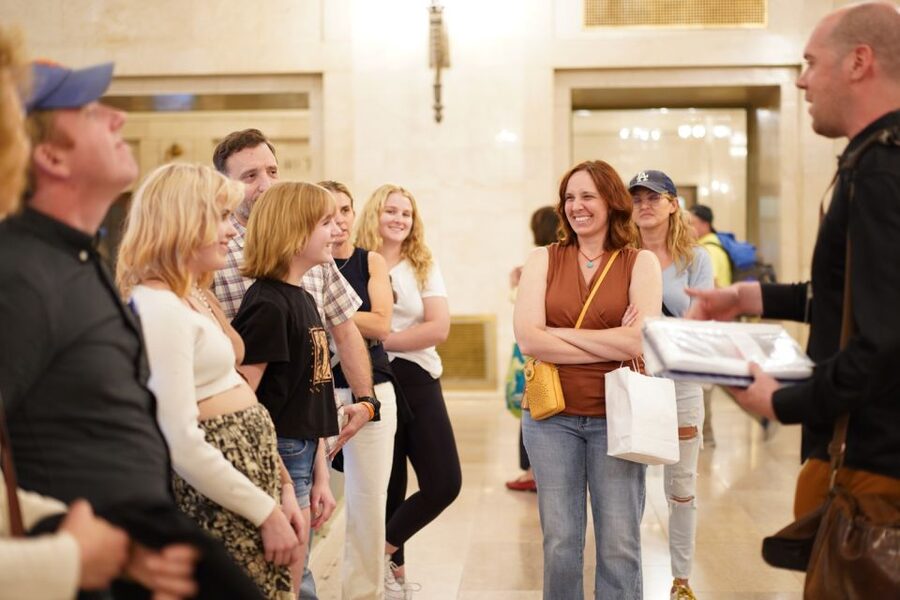
The guide is the main reason this tour can offer more than a self-guided wander. The station’s decorative details are visible to anyone, but a good storyteller connects them to the people who built and used the terminal, its railroad years, its decline and its renovation.
Guides associated with the tour include John, Richard, Jonathan, AJ, Ray, Peter, Christian and Dave, though the guide on your date will vary. The accounts of their guiding styles point to a common strength: clear, energetic storytelling that keeps the history accessible without flattening it into a list of dates.
Several guides are noted for adding personal New York perspective. Ray, for example, has been described as a third-generation New Yorker, while Dave has shared hospitality and celebrity encounters. Other guides have been praised for remembering names, checking on the group and adjusting to a mix of ages and needs. These personal touches can make a small-group walk feel more like a conversation than a lecture.
The headsets are useful when the group is moving through crowded areas. You can listen without needing to stand right beside the guide, which helps the tour keep moving. They do not make the terminal quiet, but they make it easier to follow the story.
Is $39 a fair price?

At $39 per person, this is a paid interpretation of a public place, not a ticket into a museum with exclusive access to every room. You can enter much of Grand Central on your own, but the tour adds a route, a guide’s explanations, headset audio and access to viewpoints or tucked-away areas you might not find on a casual visit.
That value depends on your interest. If you like architecture, railroad history, New York stories or the pleasure of noticing details in a familiar place, 90 minutes of guided context can be money well spent. The tour is especially useful if your only previous experience of Grand Central has been rushing through it to catch a train.
If you mainly want to see the headline sights, take a few photographs and move on, you can explore the main atrium without paying for a guide. The $39 is easiest to justify when you want the stories behind what you see, and when you’re curious about the corners that do not announce themselves.
A few practical points help you make the most of the time. Wear comfortable shoes, because this is a walking tour with stops inside and outside. It runs rain or shine, and tripods are not allowed. Wheelchair access is listed, though you may want to check the route details with the provider if you have specific access needs.
The tour is in English, with an English audio guide included. Free cancellation is available up to 24 hours in advance, and you can reserve now and pay later. Those options offer some flexibility, but the main thing to plan around is the meeting point: in front of track 29 inside the main atrium.
Who should book this walk?
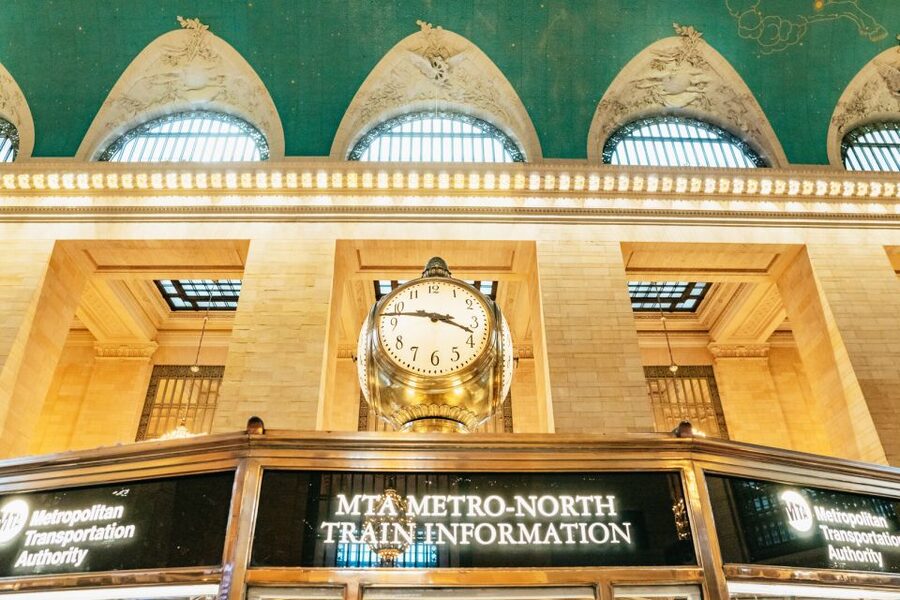
I’d point history buffs, architecture fans and train enthusiasts toward this tour first. It also suits New Yorkers who know Grand Central as a place to pass through and want to see it with fresh eyes. The mix of the famous atrium and less obvious stops keeps the visit from becoming only an architectural overview.
Families and mixed-age groups may appreciate the storytelling and variety, though younger children will need to be comfortable walking and listening. The pace is designed to cover several stops in 90 minutes, and the station itself can be busy. If you need frequent breaks or a very slow visit, check with the provider before booking.
The tour is less suited to someone expecting extensive access to closed areas, a long visit inside the Campbell or a detailed look at train operations. One participant wished for more explanation of how trains are routed within the station, which is a useful reminder that the tour’s emphasis is on the terminal’s history, architecture and unusual spaces, not every technical aspect of rail service.
A small number of tour accounts describe a longer visit than the advertised 90 minutes, including one of about 130 minutes. That may suit you if you enjoy a thorough talk, but don’t rely on the longer timing. Leave a buffer if you have a train to catch or a timed reservation afterward.
Should you book the Grand Central tour?

Book it if you want to turn a famous station into a place you can read: its grand clock, awkward design choices, tucked-away rooms and changing role in New York all make more sense with a guide. The tennis courts, whispering gallery, old theater traces and Campbell are good reasons to go beyond the main atrium.
Skip it if you only want quick photos or expect access to every restricted space. For most curious visitors, though, $39 buys a focused introduction to one of New York’s most remarkable public interiors, with a local guide to point out what you would probably miss on your own.
FAQ

How long is the tour?
The stated duration is 90 minutes. Some tours may run longer, so leave extra time if you have another commitment.
Where do I meet the guide?
Meet in front of track 29 inside Grand Central’s main atrium.
What is included in the price?
The tour includes a guided walk with a local New Yorker and headsets to hear the guide clearly. An English audio guide is also included.
Is the tour wheelchair accessible?
Yes, the activity is listed as wheelchair accessible.
Does the tour run in bad weather?
Yes. The tour takes place rain or shine, and part of the route goes outside.
What should I bring?
Wear comfortable shoes. Tripods are not allowed.
Can I cancel my booking?
You can cancel up to 24 hours in advance for a full refund. A reserve-now, pay-later option is also available.
New reviews from New York City
- 3 Hour Session at Williamsburg’s Adventure Park Area 53★ 3.5 · 6 reviews
- 3-Day Immersive Photography Workshop in New York City★ 5.0 · 5 reviews
- Midtown Manhattan: Times Square & Skyscrapers Walking Tour★ 5.0 · 18 reviews
- 3 Hour NYC Photography Workshop★ 5.0 · 45 reviews
- Central Park Pedicab Guided Tours – 1, 1.5 & 2Hrs★ 5.0 · 24 reviews
- Central Park Private Pedicab Tour (2hrs)★ 5.0 · 37 reviews
- Niagara Falls, Toronto and 1000 Islands, 3 Day Tour from NYC★ 4.5 · 114 reviews
- New York Day Sail to the Statue of Liberty on Schooner America★ 5.0 · 66 reviews
New York City Tours, compared.


Empire State Building Tickets – Observatory & Museum
Read our review →
Empire State Building Observation Deck Tickets
Read our review →


Statue of Liberty and Ellis Island Tour: All Options
Read our review →