
Reviewed · NYC MUSEUM TOURS
Self-Guided Tour of the Museum at Eldridge Street
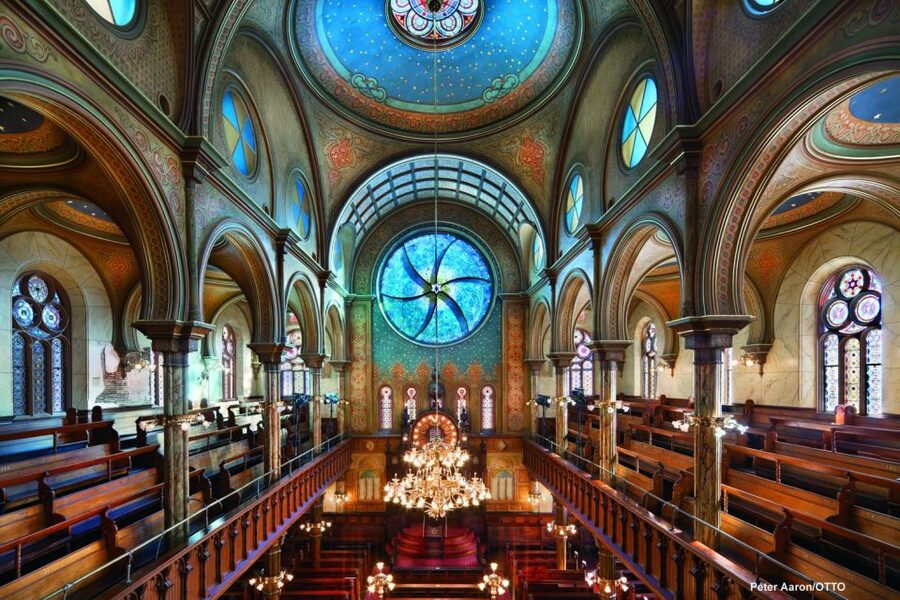
The Museum at Eldridge Street gives you a close look at an 1887 synagogue built by Eastern European Jewish immigrants at a time when many were making new lives on Manhattan’s Lower East Side. Its Moorish Revival architecture and 60 historic stained glass windows make the building the main event, while its story connects the beauty inside to the crowded immigrant neighborhood around it.
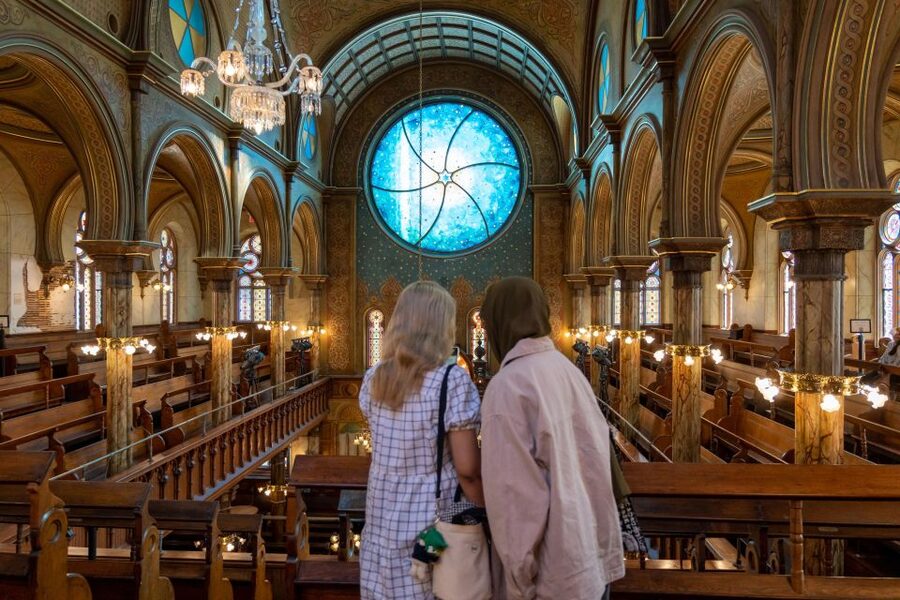
I especially like the way the visit pairs those historic windows with a modern one by Kiki Smith and Deborah Gans. I also like that you can explore at your own pace, with self-guided materials in three languages. One consideration: this is not a guided tour, so you will need to read and follow the materials yourself if you want the fuller story.
- Built in 1887: The synagogue was the first grand synagogue purpose-built by Eastern European Jewish immigrants in the United States.
- Look up at 60 historic windows: Their colors and designs are part of the building’s appeal, not just background detail.
- Find the modern window: Artists Kiki Smith and Deborah Gans created a contemporary work that brings a different voice into the historic space.
- Trace a neighborhood’s changing fortunes: Learn about immigrant life, the effects of 1920s immigration quotas, and the synagogue’s decline and restoration.
- Plan for about an hour: The visit is self-guided, with materials in English, Spanish, and Chinese.
- Admission costs $7: The fee includes the permanent collection and temporary exhibit.
A synagogue built for a new home
The Eldridge Street Synagogue was built in 1887, when Eastern European Jewish immigrants were establishing homes and communities on the Lower East Side. It was the first grand synagogue purpose-built by Eastern European Jewish immigrants in the United States, and it expressed more than religious devotion. Its scale and care signaled that these new residents intended to put down roots.
That context helps explain why the building is so much more than a handsome room. The synagogue served as a house of worship, but it also helped people build community in an unfamiliar city. You can think of its architecture as part of that message: these immigrants were making a permanent place for themselves in New York.
The broader story reaches beyond one congregation. At the turn of the 20th century, about one third of Europe’s Jewish population crossed the Atlantic. As you move through the museum, you’ll learn about Jewish immigrant life, customs, and traditions, and the pressures that shaped the community around the synagogue.
The tour also follows what happened after the building’s early years. Immigration quotas introduced in the 1920s affected the neighborhood and the institution. The synagogue then faced a long period of neglect, before a 20-year, $20 million restoration returned it to public use. That arc gives the visit a useful shape: a community builds, changes, and adapts, while later generations decide what is worth saving.
Looking up at Moorish Revival detail
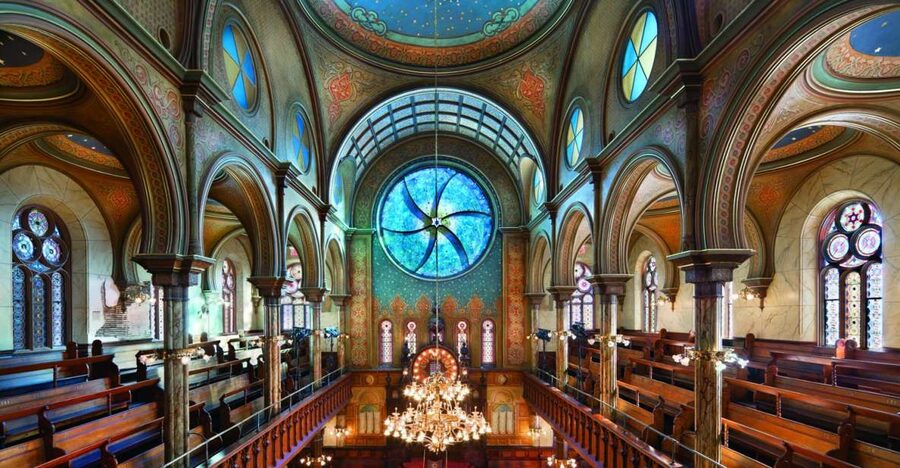
The synagogue’s Moorish Revival design is one of the clearest reasons to visit. It is a style that draws on forms associated with Islamic architecture, and here it gives the building a striking presence. Rather than rushing through to get to the historical text, take time to look carefully at the room and notice how its decorative language sets it apart from the surrounding city.
The building’s 60 historic stained glass windows are another focus. You do not need specialist knowledge to appreciate them. Start by taking in the colors and patterns as a whole, then look at individual windows and consider how light changes the way they appear. The windows reward a slower pace, especially if you like looking closely at architectural details.
I’d suggest giving yourself more than a quick glance at the main space, even though the visit is only about an hour. The building is the subject as much as the setting. Its size and ornament help you picture the hopes invested in a synagogue that was meant to serve a growing immigrant community.
More museum visits in New York City:
- NYC: 9/11 Memorial & Museum Timed-Entry Ticket
★ 4.8 · 31,428 reviews - NYC: Empire State Building Tickets – Observatory & Museum
★ 4.7 · 25,757 reviews - New York City: American Museum of Natural History Ticket
★ 4.5 · 15,447 reviews
A modern window in a historic setting
Among the historic details, look for the modern window by artists Kiki Smith and Deborah Gans. Its presence creates a thoughtful contrast with the synagogue’s older design. You are not only seeing a restored historic interior; you are also seeing how artists can add a contemporary layer to a place shaped by earlier generations.
That contrast can make the visit more engaging than a simple walk through a preserved building. The historic windows speak to the synagogue’s original community and its era, while the modern work brings a present-day perspective into the same space. It offers a natural point to pause and compare what feels old, what feels new, and how both belong in a museum devoted to preservation.
The museum’s purpose is not just to keep the building standing. It also works to preserve the lives, traditions, and stories connected to it. The contemporary window makes that continuing work visible, while the restoration itself shows how a neglected building can return to public life.
Following the synagogue’s rise, decline, and restoration
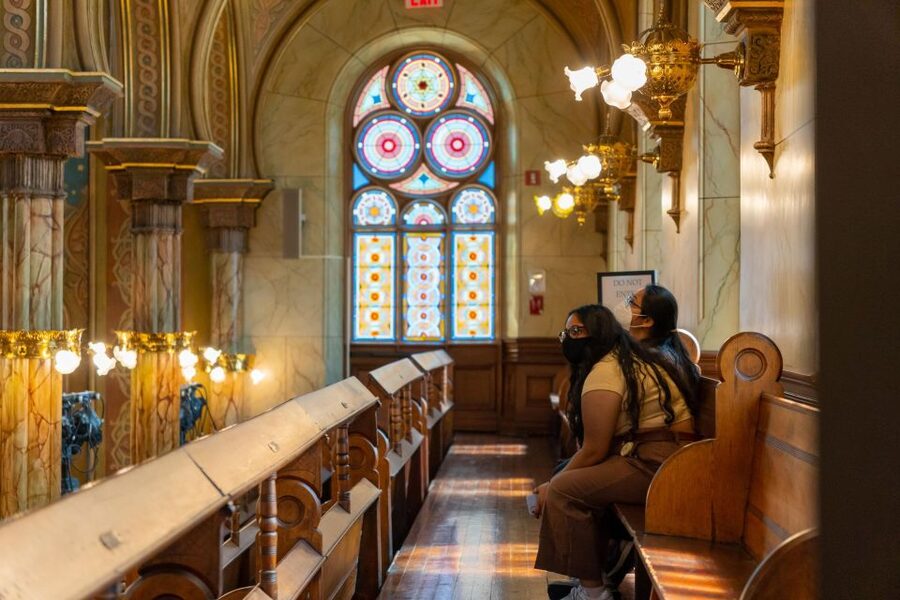
The self-guided visit covers the synagogue’s rise, decline, and restoration. That sequence matters because the building did not move in a straight line from grand opening to museum. The social changes affecting the Lower East Side, including the strict immigration quotas of the 1920s, contributed to a period when the synagogue was at risk of being lost through neglect.
Its eventual rescue took 20 years and $20 million. That is a remarkable investment, but it also gives you a practical way to understand the value of preservation. Saving a building takes more than admiring its architecture. It requires time, money, and a decision to protect the stories attached to it for people who come later.
The exhibits add another layer to the visit. Admission covers both the permanent collection and the temporary exhibit, so you can consider the building’s architectural details alongside material that helps explain the people and history connected to it. The exact temporary exhibit may change, so treat it as an additional reason to look around rather than a fixed feature you can plan your visit around.
Exploring at your own pace
This is a self-guided museum visit, not a scheduled talk led by a guide. You can set your own pace and focus on the parts that interest you, whether that means spending more time with the windows, reading about immigrant life, or taking in the architecture. Self-guided materials are available in English, Spanish, and Chinese.
That flexibility is useful if you like to explore independently or need to fit the museum into a busy day in New York. It also means you should be comfortable taking responsibility for your own visit. If you prefer a person to explain each detail and answer questions as you go, the self-guided format may feel less satisfying. The English-speaking host or greeter can welcome you, but the activity itself is designed for independent exploration.
Plan for around an hour. That gives you a clear sense of the building and its story without turning the visit into a major time commitment. If you enjoy reading exhibit information and pausing to study architectural details, you may want to allow extra time. If you’re moving quickly, you can still see the main features, but the finer points are easier to miss.
More self-guided tours in New York City:
- Skyline Night Bus Audio Narrated Tour Experience
★ 4.5 · 138 reviews - NYC: St. Patrick’s Cathedral Official Self-Guided Audio Tour
★ 3.5 · 45 reviews - Statue Of Liberty & Ellis Island Skip The Queue Audio Guide Tour
★ 5.0 · 19 reviews - Cathedral of St. John the Divine: Self-Guided Tour
★ 4.5 · 13 reviews
What $7 gets you
At $7 per person, admission includes the Museum at Eldridge Street and the synagogue, its permanent collection, and the temporary exhibit. That is good value if you are interested in architecture, immigration history, Jewish life, or historic preservation. You are paying for access to a significant historic building as well as the museum’s interpretation of its past.
The value is less clear if you expect a long, guided experience or a full morning of activities. The visit lasts about an hour, and you explore on your own. Think of it as a focused museum stop rather than a large attraction that will fill half a day. For a modest admission fee, you get a distinctive setting and a compact history of a community that helped shape the neighborhood.
The building’s restoration adds to that value. The synagogue came close to being lost, and its return to public use lets you encounter the architecture in the place it was made for, rather than only seeing it in photographs or display cases. If you appreciate historic spaces, that experience is a meaningful part of what the ticket buys.
Practical details before you go
The museum is housed in the historic synagogue. Its main entrance is at the bottom of the left-hand staircase as you face the building. The museum is wheelchair accessible, with an elevator reaching all four floors, an important detail in a historic structure.
Personal, non-commercial photography is welcome, but flash photography and professional cameras are not allowed. Bikes and scooters are also prohibited. Food and drinks other than water, strollers, and backpacks are subject to search and check-in when you arrive, so travel light if you can.
You can cancel up to 24 hours in advance for a full refund, and a reserve-now, pay-later option is available. Check the available starting times when planning, since the visit is listed as one hour and the time you choose matters for fitting it into your day.
Is the Museum at Eldridge Street worth your time?
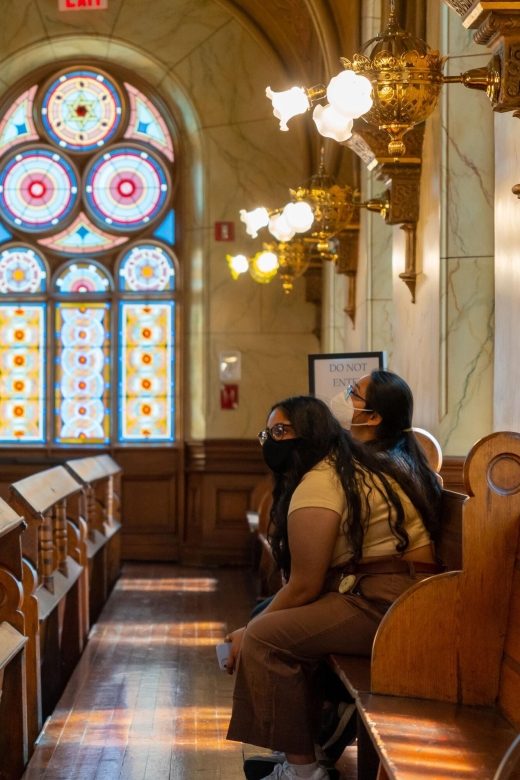
I’d recommend this visit if you want a focused look at Lower East Side history in a building that makes its own case for preservation. The architecture, the 60 historic windows, and the modern work by Kiki Smith and Deborah Gans give you plenty to look at, while the story links the synagogue to immigration, community life, and the effects of changing policy.
At $7 and about an hour, it is an easy addition for anyone with an interest in New York’s immigrant past or historic architecture. Choose another experience if you strongly prefer a live guide or want a longer, more interactive tour. Here, the reward comes from taking your time, looking up, and reading the story at your own pace.
FAQ
How long does the self-guided visit take?
The visit is listed as one hour. You can explore at your own pace, so you may want extra time if you plan to read carefully and study the architecture.
What is included in the $7 admission?
Admission includes the Museum at Eldridge Street and the synagogue, entry to the permanent collection, and the temporary exhibit.
What languages are available for the self-guided tour?
Self-guided materials are available in English, Spanish, and Chinese.
Is the museum wheelchair accessible?
Yes. The museum is fully accessible, and an elevator reaches all four floors.
Can I take photographs inside?
Personal, non-commercial photography is welcome. Flash photography and professional cameras are not allowed.
Where is the museum entrance?
The museum is housed in the historic synagogue. Find the main entrance at the bottom of the left-hand, downward staircase.
New reviews from New York City
- 3 Hour Session at Williamsburg’s Adventure Park Area 53★ 3.5 · 6 reviews
- 3-Day Immersive Photography Workshop in New York City★ 5.0 · 5 reviews
- Midtown Manhattan: Times Square & Skyscrapers Walking Tour★ 5.0 · 18 reviews
- 3 Hour NYC Photography Workshop★ 5.0 · 45 reviews
- Central Park Pedicab Guided Tours – 1, 1.5 & 2Hrs★ 5.0 · 24 reviews
- Central Park Private Pedicab Tour (2hrs)★ 5.0 · 37 reviews
- Niagara Falls, Toronto and 1000 Islands, 3 Day Tour from NYC★ 4.5 · 114 reviews
- New York Day Sail to the Statue of Liberty on Schooner America★ 5.0 · 66 reviews
NYC Museum Tours, compared.
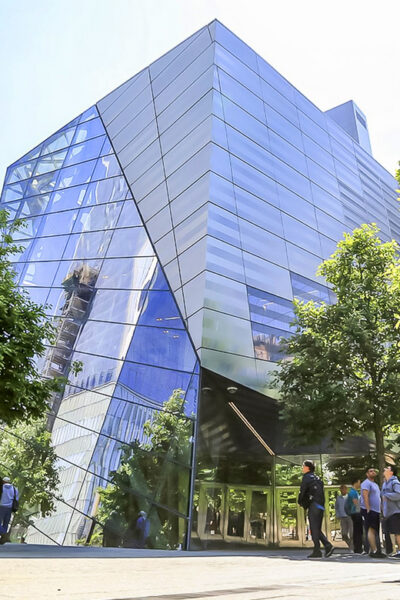
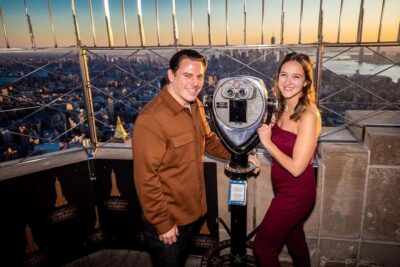
Empire State Building Tickets – Observatory & Museum
Read our review →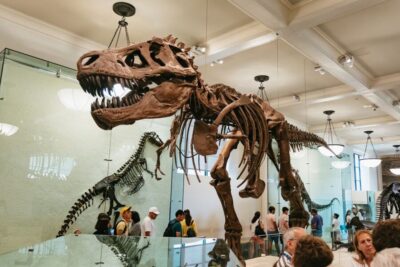

9/11 Memorial, Ground Zero Tour with Optional 9/11 Museum Ticket
Read our review →

All-Access 9/11: Ground Zero Tour, Memorial and Museum, One World Observatory
Read our review →
Browse the lists this tour appears in