
Reviewed · BROADWAY SHOW TICKETS
Museum of Broadway
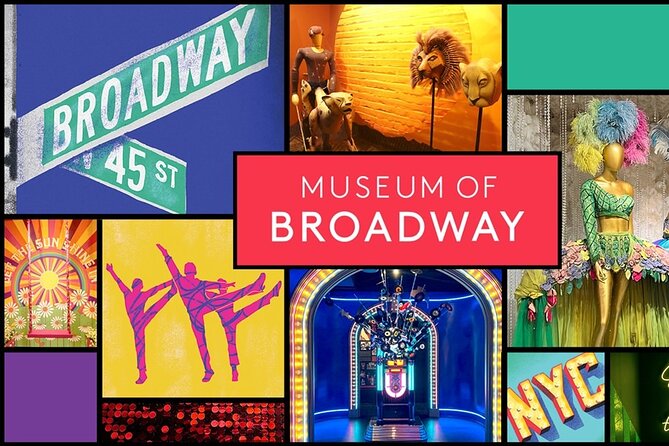
Broadway’s story is told here through the things that make theater tangible: costumes, props, photographs, and production details. The Museum of Broadway follows the stage from its early days to the present, linking shows to the society around them and showing how a production takes shape.
I like two things in particular: the exhibits make theater history accessible even if you cannot name every classic show, and the behind-the-scenes material helps explain the work that happens before the curtain rises. One consideration: $44.92 is a substantial price for a self-guided museum visit, and some displays will mean more to committed Broadway fans.
What to know before you go

- The exhibits move through Broadway’s eras: You can trace theater history in chronological order, with costumes, artifacts, photos, and video along the way.
- The process matters as much as the finished show: Behind-the-scenes displays look at how a play or musical develops from its beginnings into a production.
- Give yourself more than the minimum: Two hours is a sensible target. If you read the signs closely and stop for photos, you could spend 2.5 to 3 hours.
- It works for more than theater experts: Theater fans have plenty of familiar shows and details to seek out, while newcomers can use the museum to understand Broadway’s place in New York history.
- Treat the ticket as admission, not a guided tour: The experience is presented as a self-paced museum visit. The available details do not promise a scheduled guide.
- Plan for stairs and limited seating: One visitor found the number of steps tiring, and there are few places to sit while reading.
Broadway history, told through the things that make theater
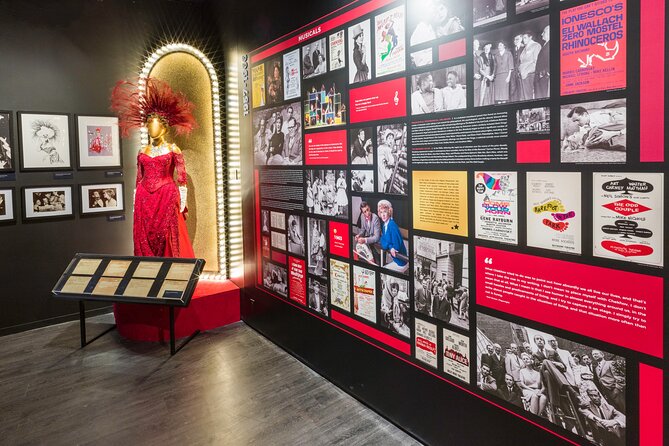
The Museum of Broadway is an indoor, self-paced visit focused on the story of Broadway theater. Rather than relying on a single timeline or a wall of names, it combines historical descriptions with photographs, video, costumes, props, and other artifacts. That mix gives you several ways into the subject. You can read the history, look closely at the objects, or stop for the visual details that catch your eye.
The museum’s broad scope is part of its appeal. You are not only looking at individual productions. The displays also connect theater to changes in society, showing how musical theater has reflected its time. That larger context gives the exhibits value even if you are not a devoted fan of every show represented.
I would not treat the visit as a quick photo stop. The museum is designed to be explored at your own pace, and the written descriptions are a major part of the experience. If you hurry past them, you may see the costumes and images but miss the ideas that tie the exhibits together.
The most useful mindset is curiosity rather than expertise. You do not need a long list of Broadway credits in your head to enjoy the visit. If you already know the shows, you can look for familiar costumes and props. If you are new to theater, the chronological structure helps you follow how Broadway developed.
More Broadway shows in New York City:
- NYC: Aladdin the Musical on Broadway
★ 4.8 · 1,800 reviews - NYC: The Lion King on Broadway
1,609 reviews - NYC: MJ the Musical on Broadway
1,510 reviews
Following the timeline from one era to the next
The museum’s central thread is Broadway’s history, presented as a progression through different periods. The timeline gives you a framework for understanding how the theater district and its productions changed. Photos and video help bring the eras to life, while historical descriptions explain what you are seeing.
This format is especially helpful if you are visiting with family members who have different levels of interest. A theater enthusiast can pause over production details, while someone less familiar with musicals can take in the broader story. You can move at your own speed rather than keeping pace with a tour group.
The displays also invite you to think about what shows say about the world around them. A musical is not just a collection of songs and costumes. It can reflect the concerns, styles, and ambitions of the period in which it was made. That connection between theater and society is one of the museum’s more rewarding ideas.
Coverage of particular shows may not match your personal favorites. One visitor wanted more about Wicked, and another hoped to see material on Newsies. That is worth keeping in mind: this is a museum about Broadway as a whole, not a dedicated exhibition for every long-running or beloved production. Go for the wider story, and count any favorite-show material as a bonus.
Costumes, props, and the details of a production
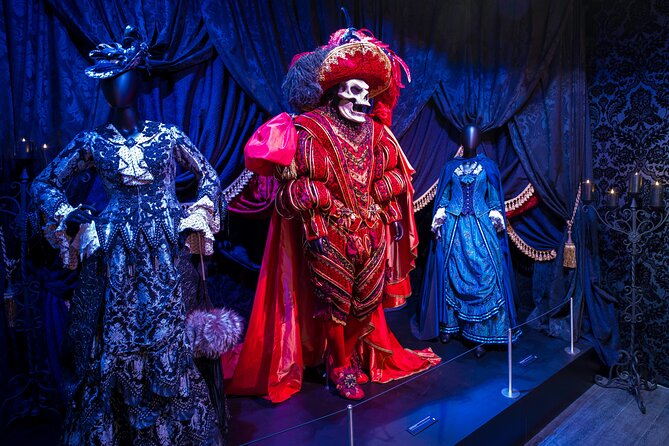
The artifacts give the history a physical presence. Costumes are among the most memorable displays, and they offer a close look at the design choices that help define a show. Props and other production objects add another layer, connecting what happens on stage to the craft behind it.
If you have seen some of the shows represented, spotting familiar items can make the visit more personal. If you have not, the objects still help explain how theater communicates character, period, and mood. A costume is not just clothing on display. It is evidence of the visual decisions that shape a performance.
The selection is not unlimited, and some visitors would like to see more costumes. It is best to think of the objects as highlights within a wider historical presentation, rather than a large wardrobe collection devoted to every famous production. The museum’s strength is the combination of artifacts with history and process.
Photography is part of the fun for many people, and there are photo opportunities around the museum. Leave time for them if you enjoy taking pictures, but remember that stopping to pose and frame shots can stretch the visit. A quick walk-through and a careful visit are very different propositions here.
The behind-the-scenes story is worth your time
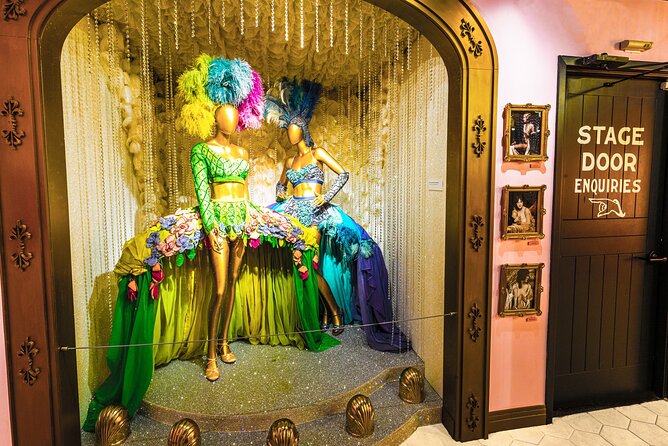
The final stretch includes material about what goes into making a show. This is one of the most useful parts for anyone who has wondered how an idea moves toward the stage. The exhibits explain aspects of putting a production together, adding context to the actors, costumes, and sets you have already seen.
That perspective can appeal to more than theater professionals or aspiring performers. If you have ever wondered how a play or musical comes together, the production material gives you a clearer sense of the many steps involved. It helps shift your attention from the finished performance to the choices and effort behind it.
People with experience in community theater or music-making may find this section especially engaging. But you do not need to have performed or written a show to appreciate the process. The museum makes the backstage side part of the story, not an optional footnote.
Staff members may also add a human touch. Alexandra and Caleb were singled out for being outgoing and helpful, but staffing changes, so do not count on meeting particular people. The exhibits themselves provide the structure, with staff available to help during the visit.
More museum visits in New York City:
- NYC: 9/11 Memorial & Museum Timed-Entry Ticket
★ 4.8 · 31,428 reviews - NYC: Empire State Building Tickets – Observatory & Museum
★ 4.7 · 25,757 reviews - New York City: American Museum of Natural History Ticket
★ 4.5 · 15,447 reviews - NYC: Museum of Modern Art (MoMA) Entry Ticket
★ 4.6 · 12,540 reviews
How long to allow, and what the visit feels like
The estimated visit is one to two hours, but I would plan for about two hours as a practical minimum if you want to take your time. If you read most of the descriptions, linger over each era, and take photos, 2.5 to 3 hours is more realistic. A couple who had only two hours available found it worked well as an indoor activity, while another visitor wished they had allowed more time.
The museum can suit a rainy morning, a gap between other plans, or an indoor break during a New York visit. Still, avoid scheduling it as a tight filler between fixed appointments. A self-paced museum is most satisfying when you are not checking the clock every few minutes.
Expect to spend time standing and walking. There are stairs, and seating is limited, so comfortable shoes are a sensible choice. If you or someone in your group needs frequent rest stops, the lack of places to sit may affect how long you want to stay.
The experience is not described as a guided group tour. You explore the displays independently, which gives you control over the pace but also means you should not arrive expecting a guide to lead you from room to room. The ticket is for admission to the museum.
Is $44.92 a fair price?
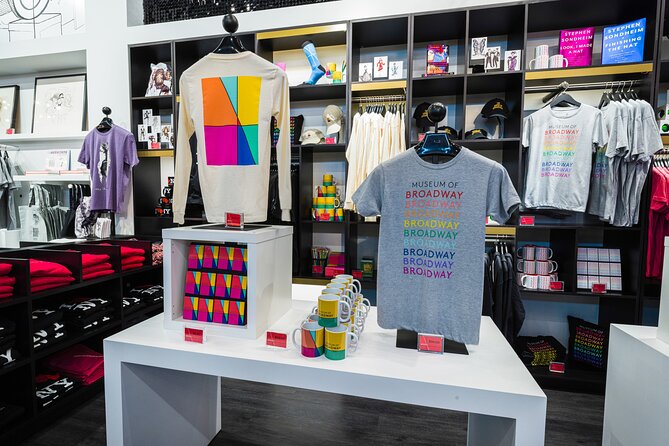
At $44.92 per person, this is not a throwaway stop. The value depends on how much you want to engage with the subject and how long you stay. If Broadway is a real interest, two or three hours among historical displays, costumes, production material, and photo opportunities can make the cost worthwhile. For a family or a theater-loving pair, it can also be a shared activity that gives you plenty to talk about afterward.
For someone with only a passing interest, the price may feel high. The museum is strongest when you read the material and take time to connect the exhibits. If you only want a few photos or a quick look at costumes, you may not get enough from the visit to justify the expense.
Children four and under may enter free. That can help families with very young children, though the visit includes stairs and limited seating, which are practical details to consider when planning for a family.
Booking and practical details to keep in mind
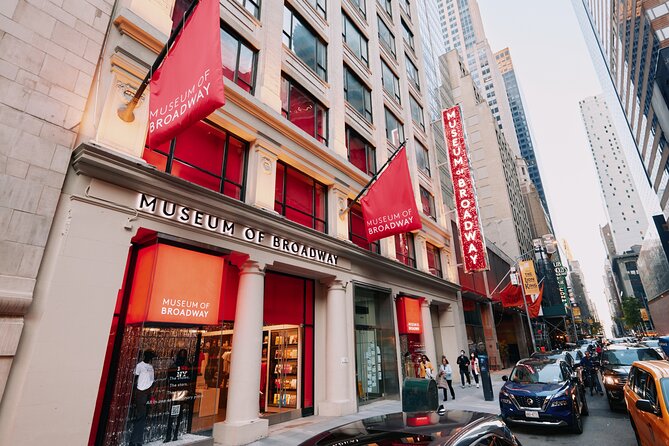
The experience is provided by Broadway Inbound, and confirmation is expected within 48 hours of booking, subject to availability. The reported average booking lead time is 11 days. Do not assume a last-minute ticket will be ready immediately: some people who booked close to their visit had trouble getting their tickets recognized at the door, and had to resolve the issue or buy admission there.
If you book through a third-party seller, check that you have the admission details before you set out. Ticket-transfer problems have caused frustration, including cases where a booking could not be found at check-in. Some people ultimately purchased tickets at the museum, and one found the door price lower. That does not mean every third-party booking will fail, but it is a good reason to confirm your ticket status in advance and leave some breathing room in your schedule.
The experience is listed as non-refundable and cannot be changed. Make sure your date works before paying, especially if your plans could shift. Service animals are allowed, and the museum is near public transportation.
Who will enjoy the Museum of Broadway most?
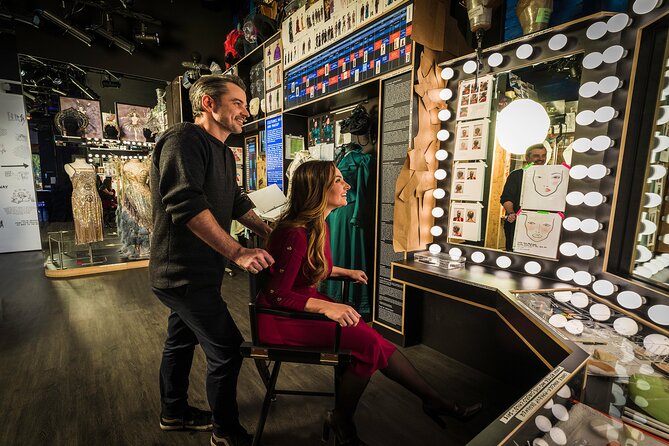
The clearest match is a theater fan who wants to connect favorite shows to the larger history of Broadway. Musical theater enthusiasts, people with experience performing in local productions, and visitors curious about stagecraft should find plenty to focus on. The displays also work for families with older children and young adults who are interested in theater, film, or performance.
You do not need to be a Broadway buff to go. The timeline and historical material offer an accessible introduction, and the photos, videos, costumes, and props give you plenty to see. But the more you care about theater, the more likely you are to linger over the details and feel that the ticket is worth its price.
The Museum of Broadway is a good choice when you want an indoor activity with substance, not just a place to pass an hour. If your schedule is tight, your interest in theater is slight, or you expect a live guided tour, choose carefully. If you are keen to learn how Broadway grew and how productions come together, allow two hours or more and book with care.
FAQ
How long should I plan for the Museum of Broadway?
The visit is estimated at one to two hours. Plan around two hours to take your time, and allow 2.5 to 3 hours if you want to read the displays closely and take plenty of photos.
What does admission include?
The experience includes an admission ticket to the Museum of Broadway. It is described as a self-paced museum visit, not a scheduled guided group tour.
What can I see inside?
The museum presents Broadway’s history through historical descriptions, costumes, props, photographs, videos, and behind-the-scenes material about how shows are made.
Is the museum suitable for people who are new to Broadway?
Yes. The exhibits tell the story of Broadway theater and explain its history, so you can enjoy the visit without being a theater expert. Dedicated fans may have more familiar shows and details to look for.
Can children visit for free?
Children aged four and under may enter free of charge.
Is the museum accessible by public transportation?
The museum is near public transportation. The visit includes stairs, and seating is limited.
Can I change or cancel my booking?
No. The experience is non-refundable and cannot be changed. Check that your date works before booking.
New reviews from New York City
- 3 Hour Session at Williamsburg’s Adventure Park Area 53★ 3.5 · 6 reviews
- 3-Day Immersive Photography Workshop in New York City★ 5.0 · 5 reviews
- Midtown Manhattan: Times Square & Skyscrapers Walking Tour★ 5.0 · 18 reviews
- 3 Hour NYC Photography Workshop★ 5.0 · 45 reviews
- Central Park Pedicab Guided Tours – 1, 1.5 & 2Hrs★ 5.0 · 24 reviews
- Central Park Private Pedicab Tour (2hrs)★ 5.0 · 37 reviews
- Niagara Falls, Toronto and 1000 Islands, 3 Day Tour from NYC★ 4.5 · 114 reviews
- New York Day Sail to the Statue of Liberty on Schooner America★ 5.0 · 66 reviews
Broadway Show Tickets, compared.



Broadway and Times Square Insider Tour with Theater Professional
Read our review →
Broadway Comedy Club All Star Stand-Up Comedy Live
Read our review →Browse the lists this tour appears in