
Reviewed · 9/11 MEMORIAL TOURS
9/11 Memorial Tour with Skip-the-Line Museum Ticket
Ground Zero is more than the Memorial Pools. This walk connects them with nearby churches, firefighter tributes and rebuilding projects, giving you a fuller sense of how September 11 affected the surrounding neighborhood. The personal stories are a central part of the experience, not just background to the monuments.
I like two things in particular: the guide helps you notice memorials and places you might otherwise pass, and the included pre-reserved museum ticket gives you time to continue at your own pace. One caution: the advertised timing is inconsistent. The tour is listed as about two and a half hours, but its details also give an 8:30 a.m. start and a 5 p.m. finish, so confirm the schedule before booking.
- St. Paul’s Chapel served as a relief station for nine months, and its handmade memorials keep the tragedy close to daily life.
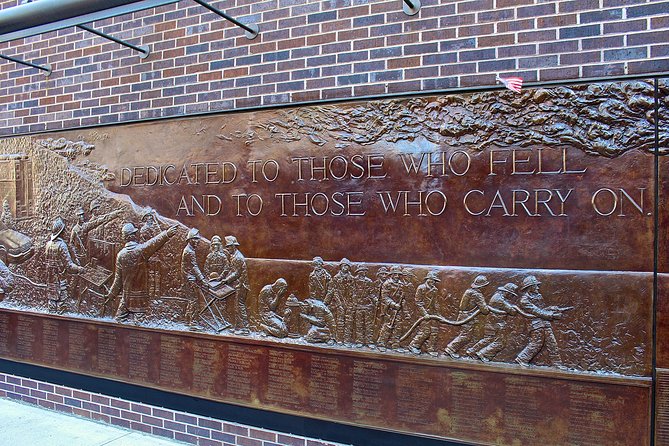
- The FDNY Memorial Wall offers a focused tribute to firefighters who died responding to the attacks.
- The Survivor Tree and Memorial Pools put names, loss and survival in the same place.
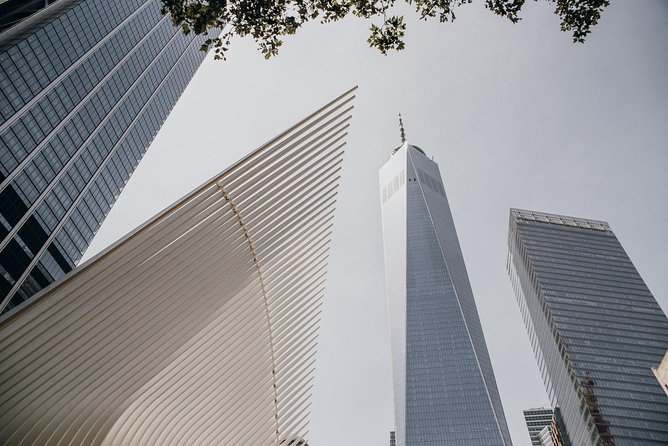
- The Oculus and nearby rebuilding sites show how the district changed after the attacks.
- Your museum visit is self-guided, giving you time to read, pause and absorb the exhibits without a guide setting the pace.
- Group size is capped at 20, and the walk is in English at a moderate pace.
A guided walk through Ground Zero’s human stories
The 9/11 Memorial is free to visit, so the main question is not whether you can see it on your own. You can. The value here is having a local guide connect the pools and names with the churches, first responders, memorials and rebuilding efforts spread across the district.
That context can change the way the area reads. A church doorway, a quiet wall or an indoor garden may seem like a passing detail when you are on your own. With a guide, each can become part of the story of how New Yorkers searched for news, mourned, helped one another and tried to rebuild.
The format is deliberately split in two. You get a guided walking tour for the neighborhood, then a reserved ticket for an independent visit to the 9/11 Museum. That works well if you want a human guide to set the scene but prefer to explore the museum without someone talking over the exhibits.
The tour is offered by Walks – USA, costs $65 per person, and is usually booked about 50 days ahead. It is especially suited to a first New York visit, or to anyone who wants more context than a solo walk can provide.
Starting at St. Peter’s Church
The meeting point is 22 Barclay Street, near St. Peter’s Church. The church is described as the first Catholic parish in New York State, and it became a place where people gathered to pray, mourn and wait for news about loved ones.
Expect roughly 20 minutes here. The focus is not only on the church itself, but also on handmade memorials and the personal grief that followed the attacks. That human scale is useful at the start of a visit to a site often discussed through enormous numbers and national events.
If you are meeting a group, arrive with enough time to find the address and check in. The meeting point is near public transportation, and the tour is in English.
More 9/11 memorial tours in New York City:
- NYC: 9/11 Memorial & Museum Timed-Entry Ticket
★ 4.8 · 31,428 reviews - 9/11 Memorial, Ground Zero Tour with Optional 9/11 Museum Ticket
★ 5.0 · 6,381 reviews - 9/11 Memorial Museum Admission Ticket
★ 4.5 · 6,376 reviews
St. Paul’s Chapel and the relief effort
A short walk brings you to St. Paul’s Chapel, a small church near the former Twin Towers. It served as a round-the-clock relief station for nine months, supporting victims, families and people working in the aftermath.
The group does not enter the chapel during the tour. Your guide explains its role and can tell you how to visit independently later. That distinction matters: if seeing the interior is important to you, plan a separate visit rather than assuming it is part of the guided walk.
This stop adds a different kind of perspective. The chapel’s story is about sustained care and practical help, not only the first hours of the attacks. It helps you understand how nearby institutions responded over the long months that followed.
The Oculus and the rebuilt district
The route includes the Oculus, a transport hub and shopping center tied to plans for rebuilding the area. The group does not go inside, but the guide explains how it fits into the district’s recovery.
The Oculus is a useful contrast to the memorial sites. Here, the story turns toward movement, commerce and the effort to restore a working neighborhood. If you want to explore the building or its shops, you can return on your own after the tour.
The broader route description also names Brookfield Place, formerly the World Financial Center, and the Winter Garden, an indoor garden across from the World Trade Center. It mentions the Eleven Tears Memorial, dedicated to 11 American Express employees killed in the attacks. These sites show how the loss reached workplaces and the wider financial district.
There is a small planning wrinkle: those places appear in the broader description, but not as separate timed stops in the detailed route. Ask your guide which ones are included on your departure, especially if a particular memorial is a priority.
Remembering the firefighters and first responders
The FDNY Memorial Wall is a short, focused stop honoring firefighters who died trying to save others. It is a more intimate tribute than the broad expanse of the Memorial Pools, and it brings the work of first responders into sharper focus.
The tour also identifies the Firefighters Memorial as a place to consider how local communities were affected. That emphasis can make the experience feel personal, though the balance between historical facts and individual stories may vary by guide.
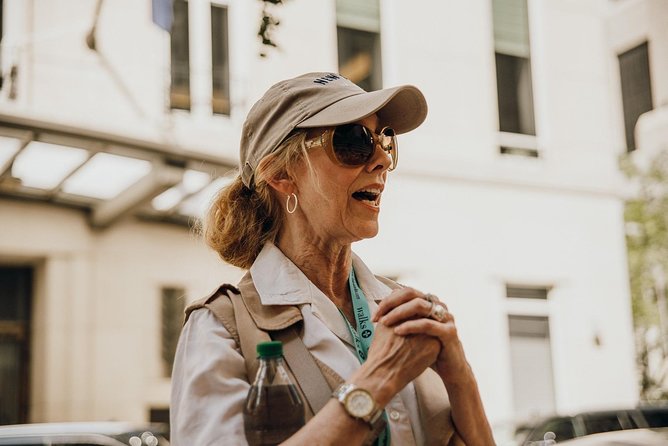
Several guide names have been associated with this tour, including Sara, Nicola, James, Kevin, John, Alice and Rob. The strongest descriptions of the experience focus on guides who combine personal accounts with the history and physical changes to the site. Guide assignments vary, so you cannot count on a particular person.
If you prefer dates, structural details and a more formal historical account, say so at the start. Some people respond best to personal stories; others want more factual detail. The walk can carry both, but the guide’s style affects the balance.
More museum visits in New York City:
- NYC: Empire State Building Tickets – Observatory & Museum
★ 4.7 · 25,757 reviews - New York City: American Museum of Natural History Ticket
★ 4.5 · 15,447 reviews - NYC: Museum of Modern Art (MoMA) Entry Ticket
★ 4.6 · 12,540 reviews - All-Access 9/11: Ground Zero Tour, Memorial and Museum, One World Observatory
★ 5.0 · 4,886 reviews
St. Nicholas and the memorial landscape
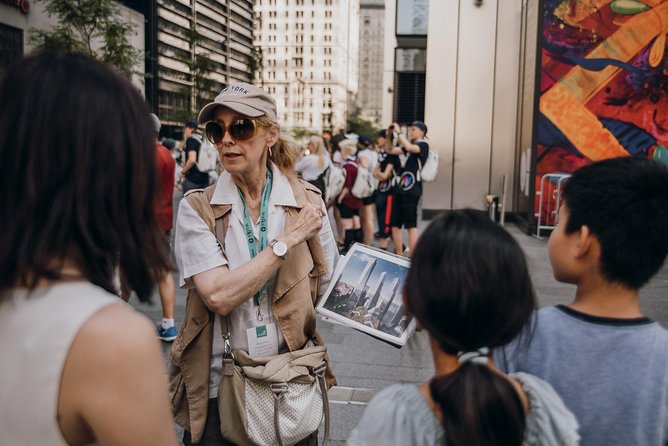
The route also includes the Saint Nicholas Greek Orthodox Church and National Shrine, identified as the only house of worship destroyed when the Twin Towers fell. The group does not enter, but the guide explains how to visit later.
That is a meaningful stop because it makes the physical impact of the collapse visible beyond the tower footprints. It also reminds you that the damage reached religious and civic spaces, not only offices and infrastructure.
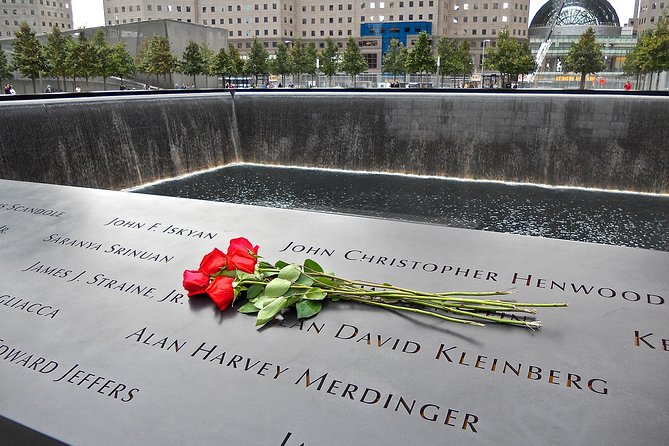
At Ground Zero, the tour brings you to the Memorial Pools, built in the footprints of the Twin Towers. You can read the names of those who died and hear stories connected to the people and events of that day. The guide also points out the Survivor Tree, a symbol of survival amid the destruction.
This part of the walk calls for time and attention. The names are not a detail to rush past, and a good guide leaves room for quiet as well as explanation. Nicola, Sara, Kevin and other guides have been praised for combining stories with time to reflect. That is the tone I would hope for at a memorial: informed, but never hurried or theatrical.
Your independent visit to the 9/11 Museum
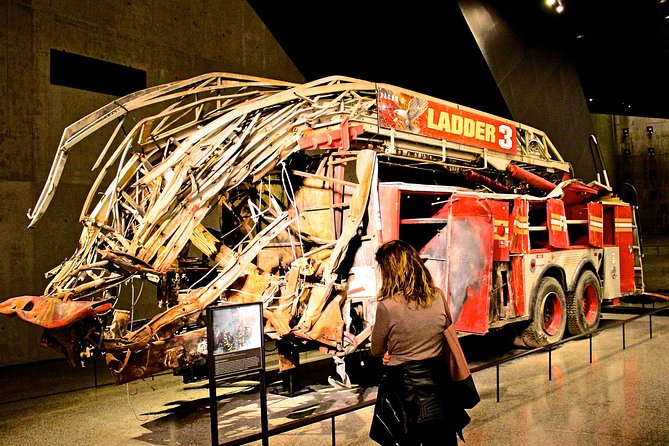
The museum ticket is included and pre-reserved, so you do not need to arrange separate admission. The ticket is intended to save time and guarantee entry, though you should still follow the specific entry instructions provided with your booking.
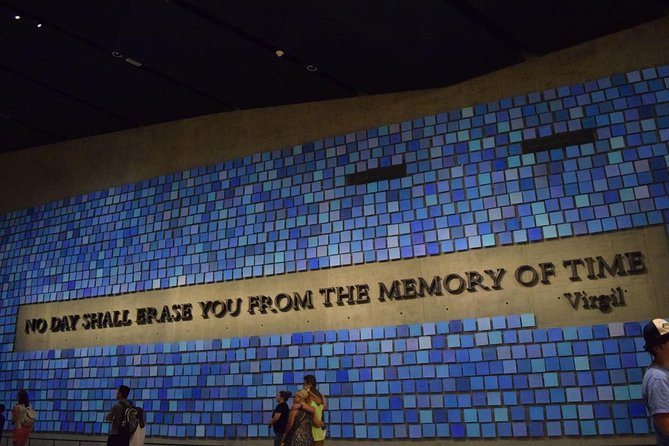
The museum portion is self-guided. Its exhibits include objects salvaged from the wreckage and personal accounts from victims. You can take the time you need with the displays, rather than keeping pace with a group or listening to a guide inside.
That independence is a strength, but it is worth understanding before you book. The guided portion ends outside the museum experience; your guide does not accompany you through the exhibits. If you want a detailed museum commentary, this tour does not promise that. Instead, the walk provides context beforehand, then leaves the museum to you.
The museum is emotionally demanding. Personal accounts and objects can make the events feel immediate, so allow yourself room to pause. The tour’s combination of guided context and individual museum time is a sensible way to approach a difficult subject.
What the $65 price buys
At $65 per person, you are paying for a local English-speaking guide, a one-hour guided walk as described in the inclusions, and a pre-reserved museum ticket for independent entry. You are not paying for hotel pickup or drop-off, and the Memorial itself is free to visit.
The ticket is the practical part of the package. If you already planned to visit the museum, combining admission with a guided neighborhood walk can be good value. If you only want to see the pools and are comfortable researching the history yourself, you can visit the memorial without paying for a tour.
The guide is the deciding factor. Strong guides have been singled out for their storytelling, sensitivity and ability to connect personal experiences with the site’s physical history. But some people prefer a more factual approach and may find a story-led tour less satisfying. This is not a guaranteed lecture on architecture, emergency response or policy. It is a guided walk with a human focus.
The group is limited to 20 people, which is manageable for a walking tour but not the same as a private visit. You should be able to walk at a moderate pace. Guests with mobility impairments or wheelchair users can be accommodated, but the operator asks that you contact its Guest Experience team when booking to arrange this.
One important detail needs checking: the experience is described as approximately two hours and 30 minutes, while the schedule says 8:30 a.m. and the description says the visit finishes at 5 p.m. The listed route times also do not line up neatly with the stated duration. Confirm the actual tour and museum entry schedule before arranging the rest of your day.
Who should book this walk
Book it if this is your first time at Ground Zero, you want a guide to point out less obvious sites, or you value personal accounts alongside the memorials. It is also a practical choice if you intend to visit the museum and want admission reserved as part of the same experience.
Think twice if you prefer to explore entirely on your own, want a strictly fact-based lecture, or expect a guide to accompany you inside the museum. The memorial is accessible without a paid tour, and the museum visit here is independent.
For most people seeking a thoughtful introduction to the district, the combination makes sense. You get the local context first, then the space to take in the museum on your own terms. Confirm the timing, ask which secondary sites are on your route, and book if that balance suits you.
FAQ
How long does the tour take?
The experience is listed as approximately two hours and 30 minutes. However, its schedule also gives an 8:30 a.m. start and says the visit finishes at 5 p.m. Confirm the actual timing before booking.
Where does the tour start?
The meeting point is 22 Barclay Street, near St. Peter’s Church in New York City.
Where does the tour end?
The tour ends at the 9/11 Memorial Museum on Greenwich Street, between Albany Street and Liberty Street.
Is the museum visit guided?
No. The museum portion is self-guided, so you can explore the exhibits at your own pace.
Is a 9/11 Museum ticket included?
Yes. The experience includes a pre-reserved museum ticket for independent entry.
What language is the tour in?
The guided walking tour is in English.
Can I cancel for a refund?
You can cancel for a full refund if you cancel at least 24 hours before the experience starts. Cancellations made less than 24 hours in advance are not refundable.
More skip-the-line entries in New York City
- NYC: One World Observatory Skip-the-Line Ticket
★ 4.7 · 12,329 reviews - NYC: Circle Line 1-Hr Statue of Liberty Skip-The-Line Cruise
★ 4.5 · 3,342 reviews - NYC: Statue of Liberty Sunset Cruise Skip-the-Line Ticket
★ 4.5 · 1,397 reviews - NYC: Empire State Building Express Tickets – Skip the Line
★ 4.6 · 604 reviews
New reviews from New York City
- 3 Hour Session at Williamsburg’s Adventure Park Area 53★ 3.5 · 6 reviews
- 3-Day Immersive Photography Workshop in New York City★ 5.0 · 5 reviews
- Midtown Manhattan: Times Square & Skyscrapers Walking Tour★ 5.0 · 18 reviews
- 3 Hour NYC Photography Workshop★ 5.0 · 45 reviews
- Central Park Pedicab Guided Tours – 1, 1.5 & 2Hrs★ 5.0 · 24 reviews
- Central Park Private Pedicab Tour (2hrs)★ 5.0 · 37 reviews
- Niagara Falls, Toronto and 1000 Islands, 3 Day Tour from NYC★ 4.5 · 114 reviews
- New York Day Sail to the Statue of Liberty on Schooner America★ 5.0 · 66 reviews
9/11 Memorial Tours, compared.

9/11 Memorial, Ground Zero Tour with Optional 9/11 Museum Ticket
Read our review →

All-Access 9/11: Ground Zero Tour, Memorial and Museum, One World Observatory
Read our review →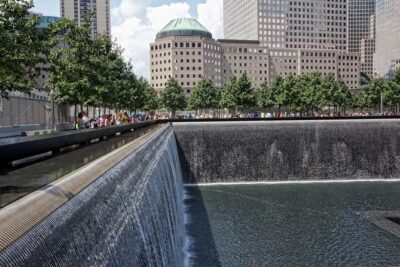
NYC City Tour: Statue of Liberty, 9/11 Memorial, Wall Street
Read our review →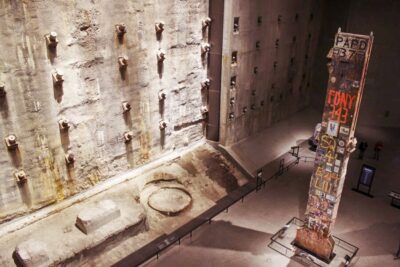

9/11 Memorial Tour and Optional Observatory Ticket
Read our review →
New York 9/11 Memorial Tour with Optional One World Observatory
Read our review →Browse the lists this tour appears in