
Reviewed · NYC MUSEUM TOURS
American Museum of Natural History Admission Ticket
The American Museum of Natural History puts dinosaurs, enormous mammals, ocean life, and the story of the universe under one roof. With more than 40 galleries to choose from, you can spend a focused three hours among the greatest hits or make a longer day of it.
I like two things in particular: the scale of the collection, which gives kids and adults plenty to explore together, and the freedom to set your own pace, rather than follow a group through a fixed route. One point to plan for: this ticket is a voucher, and some buyers have had to wait at the ticket desk to exchange it, so check the entry instructions before you set out.
Key points to know
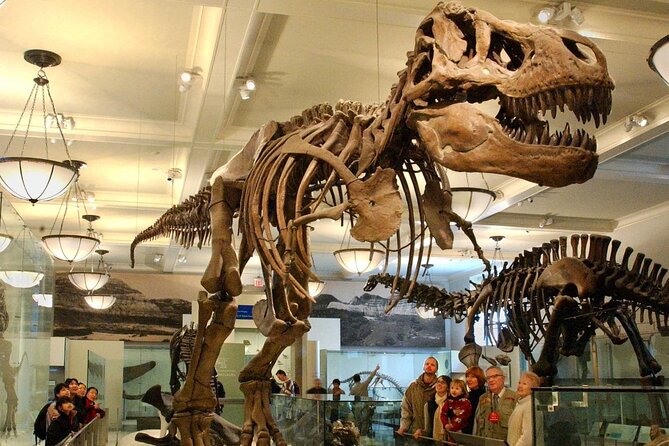
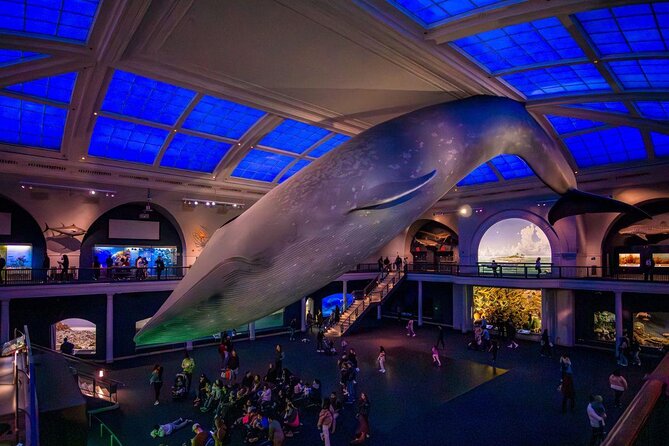
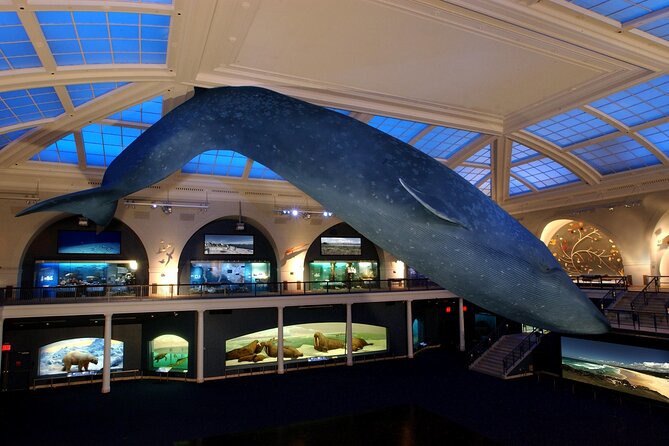
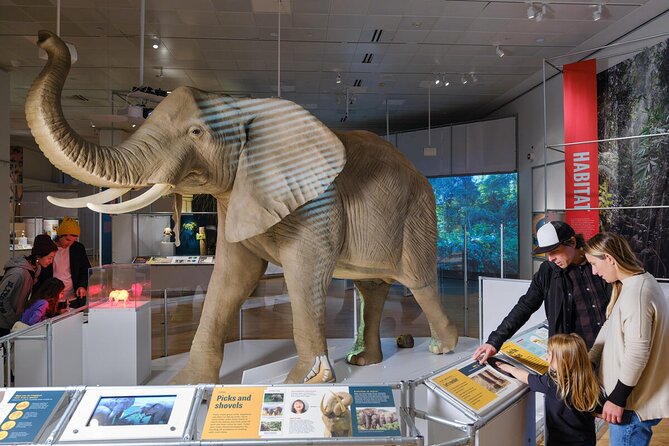
- See the museum’s headline displays: Look for the Tyrannosaurus Rex skeleton, the 94-foot blue whale, and the Asian elephants.
- Plan for more than a quick stop: Three to four hours is a sensible starting point, though the museum can fill a full day.
- General admission has limits: Ticketed exhibitions, the butterfly vivarium, Invisible Worlds, the giant-screen film, and the Hayden Planetarium Space Show cost extra.
- Get a paper map at the entrance: The building is large, and visitors can find it confusing to navigate.
- Allow time for ticket exchange: A third-party voucher may need to be converted to an admission ticket at the museum.
- New York residents pay what they wish: The listed $37 price is not the only option for local residents.
Dinosaurs, a blue whale, and a universe under one roof

The American Museum of Natural History is not a museum you can neatly take in with one glance. Its galleries cover the natural world and the universe, from dinosaur skeletons to mammals, ocean life, and exhibits about Earth and space. The sheer range is the main appeal: a family can split its time between crowd-pleasing animals and science, while adults can follow their own interests.
The museum’s headline displays offer useful anchors in a building that can otherwise feel like a maze. The Tyrannosaurus Rex skeleton in the Hall of Saurischian Dinosaurs is a natural first stop for many visitors. The 94-foot model of a blue whale in the Milstein Hall of Ocean Life is another, both for its size and for the way it makes the scale of ocean life easy to grasp.
In the Akeley Hall of African Mammals, look for the Asian elephants. The animal displays are among the museum’s most memorable features, and families often find them a strong way to hold children’s attention while opening up questions about habitats and wildlife. If your group has different tastes, that variety matters: one person can be absorbed by fossils while another heads toward mammals, gems, or space.
The museum also gives you a chance to trace a vast span of time, including the 13-billion-year history of the universe. That reach can make a visit feel like more than a sequence of display cases. You move from familiar animals toward much larger questions about how the natural world and cosmos took shape.
More museum visits in New York City:
- NYC: 9/11 Memorial & Museum Timed-Entry Ticket
★ 4.8 · 31,428 reviews - NYC: Empire State Building Tickets – Observatory & Museum
★ 4.7 · 25,757 reviews - New York City: American Museum of Natural History Ticket
★ 4.5 · 15,447 reviews
What general admission includes, and what it does not
Your admission covers more than 40 permanent exhibition halls, the Rose Center for Earth and Space, and the Richard Gilder Center for Science, Education, and Innovation. That is a substantial visit on its own, and you do not need to add a paid show to make the day worthwhile.
Some popular experiences require a separate ticket. General admission does not include Invisible Worlds, the butterfly vivarium, the giant-screen film, or the Hayden Planetarium Space Show. Ticketed exhibitions are also outside the standard admission. If a planetarium show or special exhibition is central to your plans, check availability and cost before you go rather than assuming it comes with entry.
This distinction can catch families off guard. A child might spot the planetarium or butterfly vivarium and expect to go straight in, while the family’s general admission covers only the permanent halls and named included spaces. Decide in advance whether an add-on is a must-have, then budget time and money for it separately.
The museum’s four-level layout adds another practical wrinkle. There is enough to see that you may not reach every gallery, especially if you stop often or visit with young children. Think of the ticket as permission to build your own visit, not a promise that you can see everything in one pass.
A practical route through the museum
Start by getting a paper map from an entrance, information desk, or membership desk. The building is large, its galleries can be hard to navigate, and the map may take a moment to read. Still, it is better than wandering without a plan, particularly if you have a short visit or children who already have a must-see list.
Choose a few priorities before you begin. You might head first to the dinosaur hall, then see the blue whale and the African mammal displays, and leave time for the Rose Center or Gilder Center. That is not a required route, and your interests may lead you elsewhere. The useful idea is to pick a small set of anchors so the museum’s size does not dictate the whole day.
If you are visiting with children, give them some say in the route. Dinosaurs and animals are obvious draws, but the museum’s range means there is room to adjust if one gallery holds their attention longer than expected. Families have also found it a good outing for teenagers and adult children, not only younger kids.
The museum’s collections include cultural displays as well as natural history. You may encounter objects and sculpture connected with places such as Greece, Mexico, Asia, and Egypt. If those galleries matter to you, leave room in your plan rather than spending all your time on the best-known animal halls.
How long to stay, and how to pace the visit
The estimated visit is three to four hours, and that is a sensible minimum if you want to see several major areas without racing. A few hours can cover the headline exhibits and give you time to pause, but it is unlikely to satisfy anyone who wants to read every label or see all 40-plus galleries.
A longer visit makes sense if you are traveling with a curious family, want to explore the museum’s many subjects, or plan to add a ticketed attraction. Some people take around three hours to move through all four levels at a brisk pace, but that does not mean they have seen every exhibit or spent time with the extra attractions. A full day is easy to justify if you like museums and want to take breaks.
There is a trade-off between thoroughness and energy. The museum involves substantial walking, and the hard floors can tire you out. If you are with small children, plan a realistic shortlist instead of trying to cover every floor. A stroller can be useful for families, and the museum is described as suitable for strollers and ADA access.
Crowds can affect the feel of the visit. Even an early arrival may become busy, and packed galleries can feel warm and humid. Going early may still help you get started before the day fills in, but do not count on having quiet halls throughout your visit.
More history tours in New York City:
- NYC: Starship Landmark 90 Minute Sightseeing Cruise
★ 4.6 · 3,666 reviews - Starship Landmark 90 Minute Sightseeing Cruise
★ 4.5 · 2,073 reviews - Top Rated Brooklyn Half-Day Food, History & Culture Tour via bus
★ 5.0 · 758 reviews - NYC: Speakeasy Drinks and Prohibition History Tour
★ 4.7 · 474 reviews
Making sense of the $37 admission price
At $37 per person, general admission is a significant line in a New York trip budget, especially for a family. The value depends on how long you stay and how much the collection interests you. If you make time for several galleries, the Rose Center, and the Gilder Center, the ticket can support a substantial half-day or longer outing. If you only have an hour, you will be paying for access to far more than you can reasonably see.
For New York residents, general admission is pay what you wish. If you qualify, the listed price does not have to be your cost. Children under three are eligible for waived admission fees, so you do not need to budget a standard adult ticket for the youngest family members.
Keep add-ons in mind when comparing costs. The planetarium, special exhibitions, butterfly vivarium, Invisible Worlds, and films are not included in general admission. A family that wants several extras may spend more than the base ticket price, while a group content with the permanent galleries can keep the visit to the admission cost.
The museum itself is the main value, not a guided tour or special access. The ticket gives you room to explore independently and stay as long as you wish, subject to the museum’s opening schedule. If you prefer a structured visit, museum tour guides are available; one couple’s experience included a guided tour, but no guide is named as part of this admission ticket.
Ticket exchange: the detail to check before you go

The ticket process deserves attention because the voucher may not be the final admission ticket. Some visitors have needed to exchange it at the museum ticket desk, and waits have ranged from manageable to lengthy. A few people have reported delays or trouble retrieving a ticket link, while others have entered quickly. The experience is not consistent enough to assume that a voucher guarantees a fast scan-and-go entry.
Before leaving for the museum, check your confirmation and the instructions for turning the voucher into an admission ticket. Make sure you can access the relevant code or confirmation details. If a smooth entry is a top priority, compare the third-party booking process with purchasing directly from the museum, as some buyers have found direct purchase faster.
This is particularly important if you are visiting with very young children or have a tight schedule. A long ticketing wait can eat into a visit that already needs several hours. Build in a little flexibility rather than planning a timed meal or another activity immediately after your expected entry.
Once inside, pick up the paper map and ask staff for help if you lose your bearings. Staff have been helpful to families looking for particular displays, including the dinosaur and animal features made familiar by the film Night at the Museum. The map is useful, but you do not have to solve the building alone.
Food, access, and pairing the visit with Central Park

The museum is on Manhattan’s Upper West Side and is near public transportation. Its location also works well if you want to pair a museum visit with time around Central Park. That can make the day feel less like a long indoor stretch, especially for children who need a change of pace after several hours among exhibits.
Food is another planning point. The museum has a food court, and gluten-free options such as pizza and brownies have been available. If dietary needs are important to your group, treat that as a helpful possibility rather than a guarantee of every option you may need.
The museum is family-friendly and most visitors can participate. Service animals are allowed, and the museum is described as suitable for strollers and ADA access. Even so, expect a lot of walking across hard floors. For anyone managing limited energy or mobility, prioritizing a few galleries and using the map to avoid unnecessary backtracking can make the visit easier.
Who should book this admission ticket?
I would put this museum high on the list for families, anyone fascinated by dinosaurs or animals, and visitors who enjoy seeing how natural history connects to space and the wider world. It also suits mixed-age groups: there are large, striking displays for children, while the range of subjects gives adults plenty to follow.
It is a weaker fit if you dislike large museums, have little time, or want a guided experience included in the ticket. The admission is for independent exploration, and the scale can be tiring and confusing without a plan. You may also be disappointed if you expect the planetarium or special exhibitions to be part of the base price.
Book if you can give the museum at least three hours and are comfortable choosing your own route. Before paying, check the voucher exchange instructions and decide whether you want any separately ticketed attractions. If those details suit your plans, this is a strong way to spend a substantial part of a New York day.
FAQ

How long should I allow for the museum?
Allow at least three hours for a good look at several major galleries. The estimated visit is three to four hours, but the museum can take most of a day if you want to see more.
What does general admission include?
General admission includes access to more than 40 permanent exhibition halls, the Rose Center for Earth and Space, and the Richard Gilder Center for Science, Education, and Innovation.
Are the planetarium show and special exhibitions included?
No. General admission does not include the Hayden Planetarium Space Show, the giant-screen film, Invisible Worlds, the butterfly vivarium, or ticketed exhibitions.
Do I need to exchange my voucher for an admission ticket?
The voucher may need to be converted to an admission ticket at the museum. Check your confirmation for the exact instructions before you go, and allow time in case you need to visit the ticket desk.
Do children under three need a ticket?
Children under three qualify for waived admission fees.
Can New York residents pay less than $37?
Yes. New York residents pay what they wish for general admission.
New reviews from New York City
- 3 Hour Session at Williamsburg’s Adventure Park Area 53★ 3.5 · 6 reviews
- 3-Day Immersive Photography Workshop in New York City★ 5.0 · 5 reviews
- Midtown Manhattan: Times Square & Skyscrapers Walking Tour★ 5.0 · 18 reviews
- 3 Hour NYC Photography Workshop★ 5.0 · 45 reviews
- Central Park Pedicab Guided Tours – 1, 1.5 & 2Hrs★ 5.0 · 24 reviews
- Central Park Private Pedicab Tour (2hrs)★ 5.0 · 37 reviews
- Niagara Falls, Toronto and 1000 Islands, 3 Day Tour from NYC★ 4.5 · 114 reviews
- New York Day Sail to the Statue of Liberty on Schooner America★ 5.0 · 66 reviews
NYC Museum Tours, compared.


Empire State Building Tickets – Observatory & Museum
Read our review →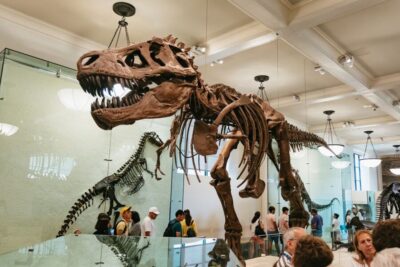


9/11 Memorial, Ground Zero Tour with Optional 9/11 Museum Ticket
Read our review →

All-Access 9/11: Ground Zero Tour, Memorial and Museum, One World Observatory
Read our review →
Browse the lists this tour appears in