

Reviewed · NYC MUSEUM TOURS
NYC: Museum of Arts and Design
MAD puts art and design close enough to study the making, not just the finished object. At Columbus Circle, you can move from handmade jewelry and domestic objects to work that questions how society sees identity, family, and culture.
I like two things here: the changing exhibitions connect design to real lives, and the on-site artist studios can let you see work in progress and ask questions. The museum’s location also makes it easy to pair a visit with Central Park or Times Square.
One consideration: this is a compact museum experience, not a full day of blockbuster galleries. Some exhibitions may feel small or lack an obvious route through the rooms, so check what is showing before you commit to the nonrefundable $20 ticket.
- Art made by hand: MAD puts craft and process at the center, from metalwork to design objects.
- Three distinct exhibition themes: The program described includes Jonathan Adler, Douriean Fletcher, and the history of reproductive and family-related design.
- Artist studios on site: Drop in during posted studio hours to see works in progress and ask artists questions.
- A useful location: The museum sits at Columbus Circle, close to Central Park and Times Square.
- A few helpful extras: Use the MAD Mobile Guide, browse the museum store, or consider Robert Restaurant on the ninth floor.
A museum where making matters

The Museum of Arts and Design, usually called MAD, is a good fit if you want to look at objects as more than things to admire from behind glass. Its focus is the relationship between art, design, materials, and the people who make and use them. The emphasis on craft can make the visit feel direct: you are invited to notice technique, material, and the choices behind an object.
That focus also gives the museum room to take on topics that reach beyond style. Its exhibitions can explore how objects shape ideas about identity, family, popular culture, and social change. You may come for a particular artist or theme and leave thinking more about why everyday design matters.
MAD is on Columbus Circle, just steps from Central Park and Times Square. That location is a real advantage if you are fitting a museum visit into a busy New York day. It can serve as a quieter, more focused stop between larger city sights, without requiring a separate trip across town.
What the $20 ticket gets you

Admission costs $20 per person and includes entry to the Museum of Arts and Design. The ticket is valid for one day, so it suits a visit built around the exhibitions on view rather than a quick glance at one object.
For the price, the value depends on your interest in the current program. MAD is not presented as a huge museum with a long parade of permanent galleries. Its appeal comes from specific exhibitions, the permanent collection, installations, and the chance to connect art with how things are made. If the themes catch your eye, $20 buys a substantial cultural stop. If you are hoping for hours of gallery after gallery, you may find the experience more compact than expected.
The ticket is nonrefundable, so take a moment to check the exhibition schedule and available starting times before buying. The information provided does not name a tour guide or describe a guided route. You can use the MAD Mobile Guide to learn more about works in the museum, but the ticket itself is admission, not a listed guided tour.
The activity is described as a small group, limited to nine participants. That is a modest cap, but do not assume it means a guide will lead you through each gallery. The details provided do not say that a guide is included.
More museum visits in New York City:
- NYC: 9/11 Memorial & Museum Timed-Entry Ticket
★ 4.8 · 31,428 reviews - NYC: Empire State Building Tickets – Observatory & Museum
★ 4.7 · 25,757 reviews - New York City: American Museum of Natural History Ticket
★ 4.5 · 15,447 reviews
Three exhibitions with different points of entry
The exhibition program described brings together artists and subjects that might not seem related at first. That variety is part of the point: MAD treats design as a way to read the world, not just decorate it.
The Mad MAD World of Jonathan Adler pairs more than 60 works from the museum’s permanent collection with designs by the celebrated potter and designer. Adler’s role as curator offers a personal lens on the collection, with a focus on his glamorous, witty, and playful sensibility. For you, the pleasure is in comparing his own designs with the objects he selected. The show also gives the permanent collection a fresh frame, rather than presenting it as a fixed set of museum favorites.
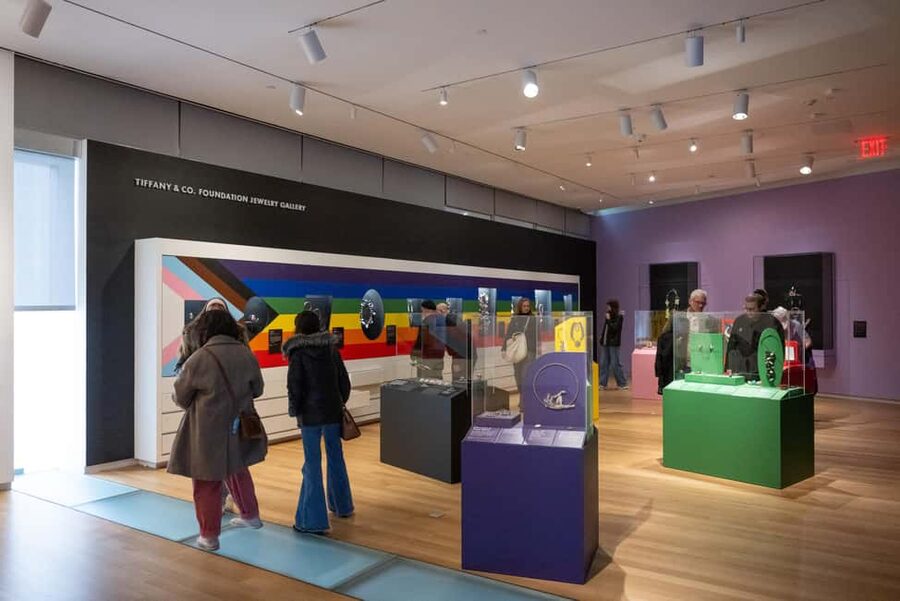
Douriean Fletcher: Jewelry of the Afrofuture follows the artist’s development from self-taught metalsmith to influential designer. The exhibition includes 75 works from Fletcher’s collection and highlights handmade adornments that have appeared on screen, including in Marvel Studios’ Black Panther films. If you know the films, that link gives the work an immediate pop-culture connection. If you do not, the show still offers a look at how jewelry can carry ideas about identity, imagination, and the future.
Designing Motherhood: Things that Make and Break Our Births takes a longer historical view. Spanning 150 years, it includes more than 250 objects connected to fertility, pregnancy, postpartum care, and parenthood. This subject makes design feel practical and personal: objects are not merely aesthetic choices when they affect health, well-being, and family life. The exhibition’s New York debut also places a broad range of reproductive-health design in one museum setting.
These exhibitions may not all appeal equally to you. That is useful to know before you go. If one subject is the main reason for your visit, check that it is on view for your chosen date, since exhibitions change. A past exhibition about Barbie, for example, looked at the doll through different eras, outfits, diversity, and professions. Its historical approach appealed to visitors interested in how a familiar toy reflects shifting ideas. It is a reminder that MAD’s subject matter can range from traditional craft to popular culture, but it should not be taken as a promise that the Barbie exhibition is currently showing.
Expect a thoughtful visit, not a set route
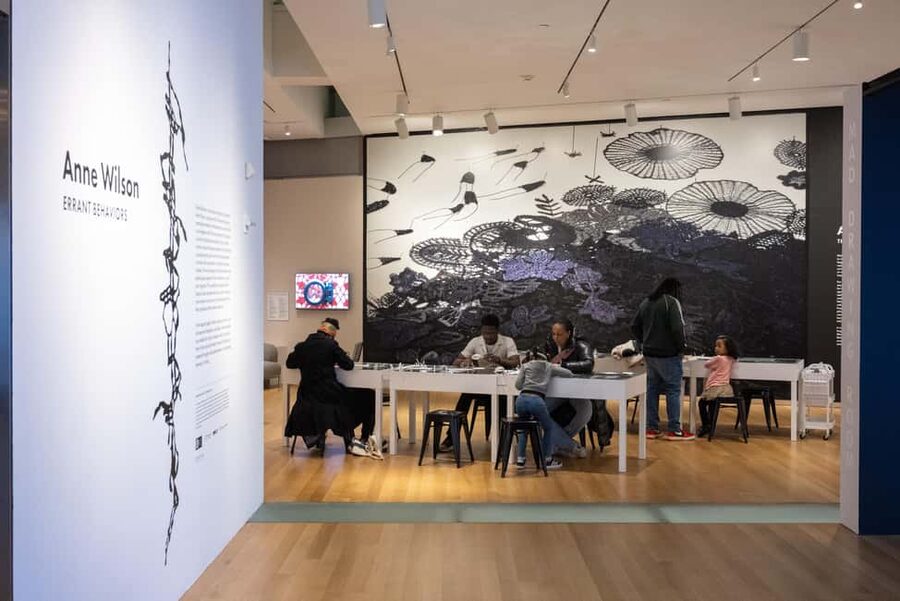
There is no detailed itinerary or fixed sequence described for a MAD visit. Think of it as time in a museum, where the exhibitions determine the route and the pace. Start by checking which shows are open, then give yourself time to read and compare rather than rushing through every room.
A clear flow is not guaranteed. Some exhibition layouts may feel less straightforward than a chronological walk from start to finish. If you find that happening, use the MAD Mobile Guide to get more context about the works you want to understand, and take the shows one at a time. A little orientation before you arrive can also help: choose the exhibition that interests you most, then treat the others as a bonus.
The museum describes the creative process as an up-close experience, and that idea is most tangible in the artist studios. These are working spaces inside the museum where you can view works in progress and ask questions. The studios are open Wednesday, Friday, and Saturday from 10:30 a.m. to 5:30 p.m., and Thursday from noon to 7 p.m. If seeing artists at work matters to you, plan around those hours; studio access is not listed for every day.
The studios add a different kind of value from a finished exhibition. You can see that art is made through decisions, experiments, and practical skill, not simply displayed after the hard part is over. The exact artists or projects in the studios can vary, so arrive curious rather than expecting a particular demonstration.
Use the mobile guide to add context
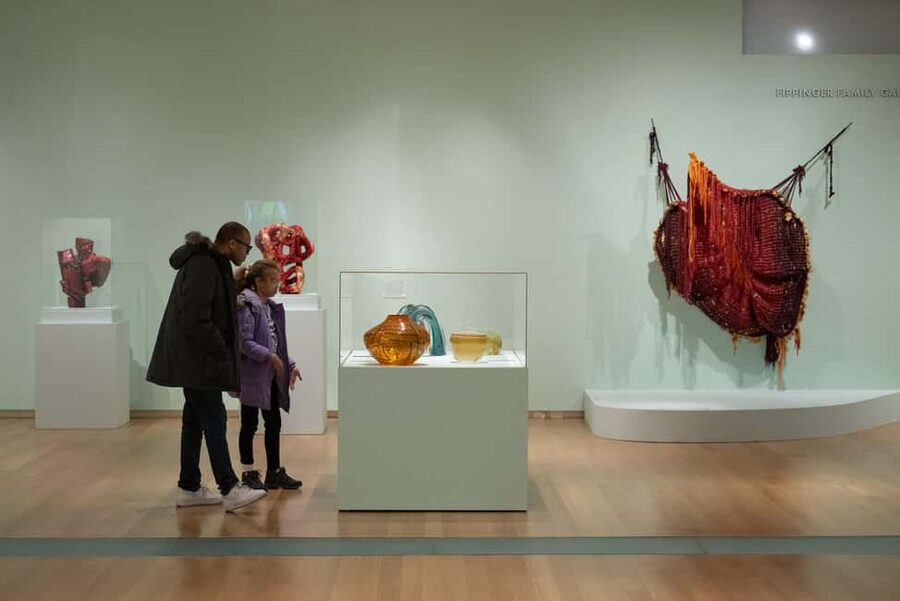
The MAD Mobile Guide is included as a way to learn more about the art you see. That can be especially useful when an object’s materials or purpose are not obvious at first glance. In a museum focused on craft and design, a bit of explanation can turn a pleasing object into a more revealing one.
Treat the guide as a tool, not a substitute for looking closely. Notice the handwork, the materials, and the choices in form before moving on. Then use the extra information to sharpen your understanding. This is a good approach for exhibits such as Fletcher’s jewelry, where the object’s visual impact and its cultural meaning both matter.
More tours and experiences in New York City:
- NYC: SUMMIT One Vanderbilt Tickets
★ 4.7 · 51,195 reviews - NYC: Empire State Building Observation Deck Tickets
★ 4.7 · 22,072 reviews - New York City: Statue of Liberty & Ellis Island with Ferry
★ 4.6 · 18,683 reviews - Statue of Liberty and Ellis Island Tour: All Options
★ 5.0 · 13,571 reviews
Make time for the ninth-floor view

Robert Restaurant occupies the museum’s ninth floor and offers views of Central Park. It serves contemporary American fare and signature cocktails, making it a possible meal or drink stop during your visit. The restaurant is a separate part of the museum experience, so do not assume food or drinks are included with admission.
The view gives you a reason to pause after the galleries, especially if you are already spending time around Columbus Circle. The practical catch is that the museum’s visitor rules do not allow food and drinks inside the galleries. Plan to enjoy them at the restaurant rather than bringing refreshments through the exhibition spaces.
The Store at MAD is another natural end to the visit. It sells stylish, carefully made gifts for different ages and artisanal products for the home. Its selection fits the museum’s interest in design and craft, and it may be a better stop than a generic souvenir shop if you want something useful or made with care.
Practical details before you go
MAD is wheelchair accessible. Food and drinks are not allowed in the museum, and luggage or large bags are prohibited. Pets are not allowed, though assistance dogs are permitted. These rules are worth keeping in mind if you are coming straight from a hotel checkout or carrying shopping from elsewhere in the city.
The museum is in an easy-to-place part of Manhattan: Columbus Circle, near Central Park and Times Square. No transport details are included with the admission, so plan your own way there. The ticket is for one day, and available starting times should be checked before booking.
Who will get the most from MAD?

I would put MAD high on your list if you like contemporary craft, design, or exhibitions that connect objects to culture and daily life. It should also suit you if you enjoy museums that make room for popular subjects alongside traditional art forms. The range described, from Afrofuturist jewelry to reproductive-health design, offers several ways into the collection.
Families and design-minded shoppers may appreciate the store, while anyone curious about how artists work should check the studio schedule. The artist studios are the most direct chance to see the making process rather than only its finished result. The museum’s location makes it convenient for a mixed itinerary, too: pair it with a walk near Central Park or another stop around Times Square.
You may want to skip it if you need a large museum to fill an entire day, or if none of the current exhibition themes interests you. MAD’s strongest appeal lies in its particular shows and its attention to craft. A smaller exhibition can be engaging and informative, but it will not necessarily feel like a grand, sweeping museum visit. The building itself may also make a strong impression, so keep your expectations balanced between architecture, exhibitions, and the overall scale of the collection.
Should you book?
Book MAD if at least one exhibition on your date speaks to you, or if you want a focused art-and-design stop close to Central Park and Times Square. The $20 price is reasonable when you make use of the exhibitions, mobile guide, and, if the timing works, the artist studios. Check the current program first, since the ticket is nonrefundable and the experience depends heavily on what is on view.
If you are looking for a full day of galleries, choose a larger museum instead. If you are curious about handmade objects and the ideas they carry, MAD offers a more personal, manageable visit with a useful view into how art and design get made.
FAQ
How much does admission cost?
Admission costs $20 per person.
How long is the ticket valid?
The ticket is valid for one day. Check availability for starting times.
Where is the Museum of Arts and Design?
It is at Columbus Circle in New York City, steps from Central Park and Times Square.
What is included with the ticket?
The ticket includes entry to the Museum of Arts and Design.
Is the museum wheelchair accessible?
Yes, the activity is listed as wheelchair accessible.
Can I bring food, drinks, or a large bag?
No. Food and drinks, along with luggage or large bags, are not allowed.
Are the artist studios open every day?
No. They are open Wednesday, Friday, and Saturday from 10:30 a.m. to 5:30 p.m., and Thursday from noon to 7 p.m.
New reviews from New York City
- 3 Hour Session at Williamsburg’s Adventure Park Area 53★ 3.5 · 6 reviews
- 3-Day Immersive Photography Workshop in New York City★ 5.0 · 5 reviews
- Midtown Manhattan: Times Square & Skyscrapers Walking Tour★ 5.0 · 18 reviews
- 3 Hour NYC Photography Workshop★ 5.0 · 45 reviews
- Central Park Pedicab Guided Tours – 1, 1.5 & 2Hrs★ 5.0 · 24 reviews
- Central Park Private Pedicab Tour (2hrs)★ 5.0 · 37 reviews
- Niagara Falls, Toronto and 1000 Islands, 3 Day Tour from NYC★ 4.5 · 114 reviews
- New York Day Sail to the Statue of Liberty on Schooner America★ 5.0 · 66 reviews
NYC Museum Tours, compared.


Empire State Building Tickets – Observatory & Museum
Read our review →

9/11 Memorial, Ground Zero Tour with Optional 9/11 Museum Ticket
Read our review →

All-Access 9/11: Ground Zero Tour, Memorial and Museum, One World Observatory
Read our review →
Browse the lists this tour appears in