
Reviewed · WALL STREET TOURS
How Money Was Made: Wall Street Walking Tour
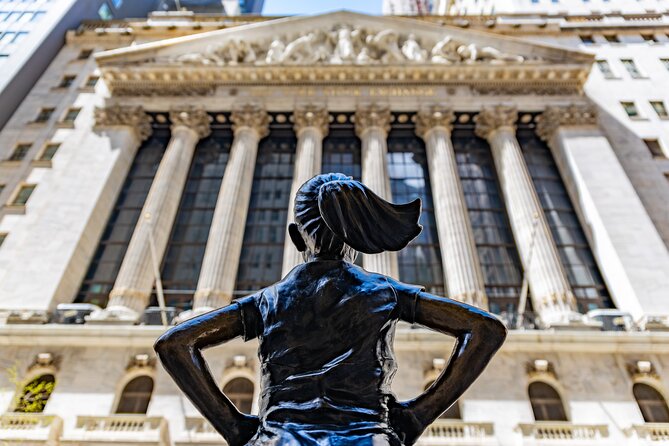
Wall Street’s story is bigger than stocks and suited men in tailored suits. This two-hour walk looks at who built American finance, who profited, and who was pushed aside, from early trading and European merchants to enslaved laborers and women pioneers.
I like that the tour connects financial history with the lives affected by economic growth, and that it also makes room for Lower Manhattan’s architecture and its recovery after 9/11. One consideration: the pace can be brisk, so you may have to choose between taking in every detail and stopping to study every building.
Key points to know
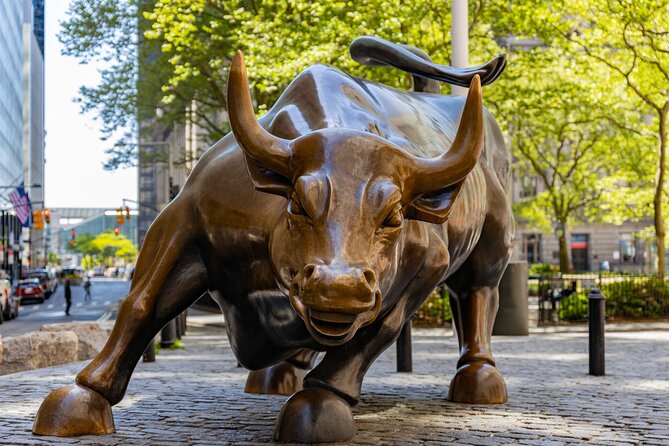
- Wall Street’s story starts before the stock market: The tour traces early trade in the Americas and the influence of European merchants.
- The people in the story are not all bankers: Expect attention to women pioneers, enslaved laborers, Robber Barons, and financial innovators.
- Crashes are part of the route’s central theme: The guide explains how stock market crises affected the financial system and wider communities.
- You meet outside the Museum of the American Indian: Look for a guide holding a red Inside Out Tours flag.
- Plan for a brisk two hours outdoors: Wear comfortable shoes, and be ready to walk rain or shine.
- The $49 price covers a guide, not refreshments or transport: Hotel pickup, drop-off, food, and drinks are not included.
From early trade to Wall Street’s financial district
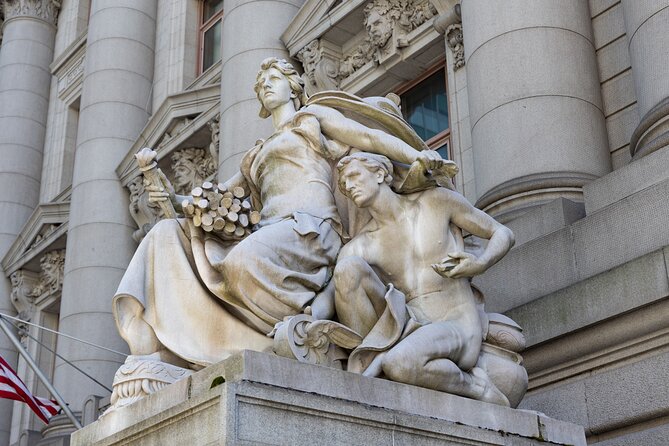
This tour sets out to explain how a narrow stretch of Lower Manhattan became a center of American finance. Rather than treating Wall Street as a collection of famous buildings, it follows the people, trade, politics, and economic choices that helped shape the district.
The story begins with Native American origins of early trading in the Americas, then moves to the European merchants who brought their own commercial interests and practices. That perspective matters: it places Wall Street’s rise within a wider history of exchange and power, not just the later story of markets and modern banks.
You will meet your guide in front of the Museum of the American Indian. The museum is the meeting landmark, not a stated stop on the tour, so arrive ready to begin outdoors. Your guide will be holding a red Inside Out Tours flag. The clear marker is useful in a busy part of Lower Manhattan, where a specific meeting point saves time and uncertainty.
From there, the route explores the heart of Wall Street and other sites in the area. The exact sequence of stops is not specified, so treat the tour as a guided walk through the district rather than a fixed checklist of named interiors or buildings. Its emphasis is on seeing places in context and hearing how their histories connect.
More Financial District tours in New York City:
- NYC City Tour: Statue of Liberty, 9/11 Memorial, Wall Street
★ 4.5 · 2,059 reviews - Wall Street Insider Tour with a Finance Professional
★ 4.5 · 660 reviews - Wall Street Insider Tour with a Finance Professional
★ 4.5 · 571 reviews
The financial system, told through people
The strongest idea in the tour is that finance is not only a story about institutions. It is also a story about people who took risks, built new systems, gathered wealth, or bore the costs of economic expansion.
The guide introduces visionaries and financial innovators alongside Robber Barons, women pioneers, and enslaved laborers whose work and lives are often overlooked in accounts of Wall Street. That range gives you a more useful frame for looking at the district. A grand building can signal power and ambition, but the history behind it may also involve unequal access to wealth and opportunity.
The tour also examines the political roots of Wall Street. That is a valuable angle for anyone who wants to understand how finance and government have influenced each other, rather than seeing markets as a separate world with its own rules. Expect a broad historical account, not a technical lesson in investing or a step-by-step explanation of how to trade stocks.
Because the subject spans a long period and many groups, a lot has to fit into two hours. One guide, Jess, has been praised for being personable, and a warm, engaging guide can make this kind of fast-moving history easier to follow. Guide assignments may change, however, so Jess is not guaranteed to lead your tour.
Crashes, consequences, and the cost of growth
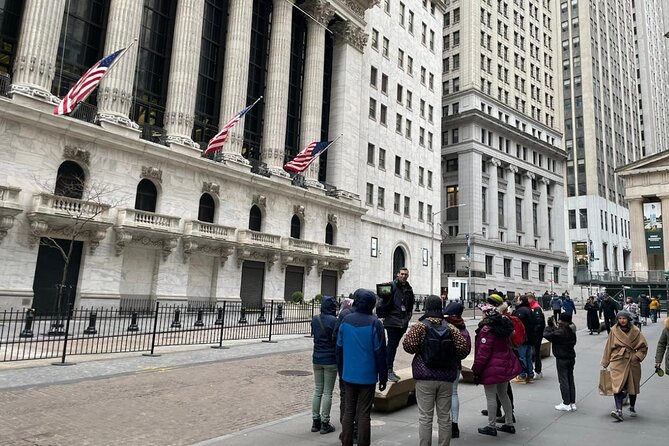
Stock market crashes are another major part of the walk. The tour explores financial crises caused by market collapses and considers how aggressive economic growth affected different populations. That combination helps connect a dramatic market event to its effects beyond Wall Street’s offices.
If you are hoping for detailed financial data or a specialist lecture on individual crashes, the tour’s description does not promise that level of technical detail. Its stated focus is broader: the history of crises, their place in the American financial system, and their consequences for communities. That makes it a better fit for curious visitors than for someone seeking an advanced finance seminar.
The pace deserves a little thought. A previous participant described the walk as very fast and packed with history. That density can be a strength if you want a compact overview, but it may leave less time to linger over each site, take photographs, or ask extended questions. If you prefer a slower walk, keep that trade-off in mind before booking.
Architecture and the rebirth of Lower Manhattan
Wall Street is also a place to look up. The tour includes New York architecture and iconic landmarks, giving you a visual counterpoint to the economic history. Buildings can help show how the district changed as financial power grew, though the available details do not identify particular architectural stops or promise entry into any buildings.
The route also addresses Lower Manhattan after the devastating events of 9/11. Including the area’s rebirth gives the walk a more recent chapter and helps explain that the financial district is not frozen in its past. It has had to confront loss and change, then find a way forward.
This part of the tour may be especially meaningful if you want a broader account of Lower Manhattan than a simple procession of famous financial names. The subject is not only what Wall Street built, but also how the district has responded to upheaval. Keep in mind that the experience is a walking tour, so the guide’s commentary and the outdoor setting do the work; no museum visit or indoor exhibit is listed.
More walking tours in New York City:
- SoHo, Little Italy, and Chinatown Walking Tour in New York
★ 5.0 · 3,153 reviews - Secrets of Grand Central Station Walking Tour New York City
★ 5.0 · 1,796 reviews - Greenwich Village Walking and Food Tasting Tour
★ 5.0 · 1,572 reviews - Artistic, Alternative Greenwich Village Walking Tour
★ 5.0 · 971 reviews
What two hours and $49 buy you
At $49 per person, the main value is a guided introduction to a complicated subject, with a route through the financial district and a mix of financial, political, social, and architectural history. You are paying for the guide and the interpretation, not transport, meals, or drinks. There is no hotel pickup or drop-off.
The price makes most sense if you want a structured overview and expect to learn more from a guide than you would by walking the district alone. Wall Street’s buildings and landmarks are easy to see, but their histories are harder to connect without context. The guide’s job is to link early trade, financial innovation, market crises, and the lives of people who rarely get top billing.
The value may feel less compelling if you want a very slow-paced outing, a highly technical finance lesson, or a tour with food and transport included. One very negative assessment of value suggests that the price will not suit every budget or expectation. The tour’s value depends on whether its combination of history, commentary, and outdoor sightseeing matches what you want from two hours in Lower Manhattan.
The 4.6 rating across six reviews is encouraging, but the small number of ratings makes it a limited guide to what your own experience will be. The positive comments highlight an interesting history lesson and a friendly guide; the caution is that the walk can move quickly and may not feel worth the cost to everyone.
Meeting, weather, and practical details
The tour lasts two hours and is offered in English. Check availability for the starting times that fit your plans. Comfortable shoes are the one item specifically recommended, and that advice is worth following: this is a walking tour, not a bus-based overview.
The tour runs rain or shine, so bring weather-appropriate clothing on the day. The activity is wheelchair accessible, though no further details about the route or facilities are provided. If you need specific access information, check with the operator before booking rather than assuming every surface or stop will suit your needs.
You can cancel up to 24 hours in advance for a full refund. There is also a reserve-now, pay-later option, which lets you hold a place without paying at the time of booking. Those policies offer flexibility, but the key planning choice is still whether you are comfortable with a brisk, outdoor walk.
Who will get the most from this walk

I would choose this tour if you want to connect Wall Street’s visible landmarks with the people and events behind them. It suits history-minded visitors, first-time explorers of Lower Manhattan, and anyone interested in how finance, politics, and social change have shaped one another.
It may be less satisfying if you want an unhurried architectural tour, a deep technical account of markets, or a visit inside financial institutions. The exact route and named stops are not specified, so book for the guided themes and district walk, not for access to a particular building.
Book it if you value a compact, people-focused history of Wall Street and do not mind a quick pace. If you want time to absorb each stop or are unsure about spending $49 on a two-hour guided walk, compare it with a slower self-guided visit before deciding.
FAQ
How long is the Wall Street walking tour?
The tour lasts two hours.
How much does the tour cost?
The listed price is $49 per person.
Where do I meet the guide?
Meet in front of the Museum of the American Indian. The guide will be holding a red Inside Out Tours flag.
What language is the tour in?
The live guide speaks English.
Is the tour wheelchair accessible?
Yes, the tour is listed as wheelchair accessible.
What should I bring?
Comfortable shoes are recommended. The tour takes place rain or shine.
Are hotel pickup, food, or drinks included?
No. Hotel pickup and drop-off, food, and drinks are not included.
New reviews from New York City
- 3 Hour Session at Williamsburg’s Adventure Park Area 53★ 3.5 · 6 reviews
- 3-Day Immersive Photography Workshop in New York City★ 5.0 · 5 reviews
- Midtown Manhattan: Times Square & Skyscrapers Walking Tour★ 5.0 · 18 reviews
- 3 Hour NYC Photography Workshop★ 5.0 · 45 reviews
- Central Park Private Pedicab Tour (2hrs)★ 5.0 · 37 reviews
- Niagara Falls, Toronto and 1000 Islands, 3 Day Tour from NYC★ 4.5 · 114 reviews
- Central Park Pedicab Guided Tours – 1, 1.5 & 2Hrs★ 5.0 · 24 reviews
- New York Day Sail to the Statue of Liberty on Schooner America★ 5.0 · 66 reviews
Wall Street Tours, compared.

NYC City Tour: Statue of Liberty, 9/11 Memorial, Wall Street
Read our review →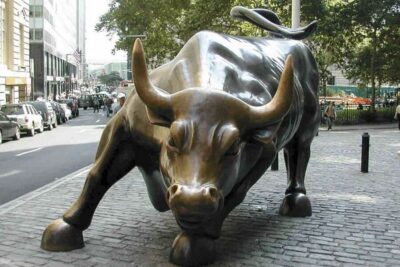
Wall Street Insider Tour with a Finance Professional
Read our review →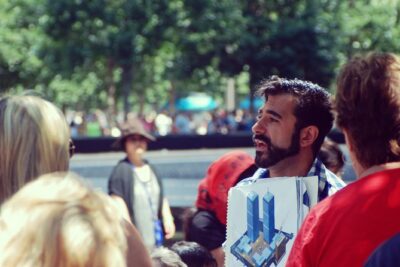
Manhattan Group Tour Including Wall Street and 911 Memorial
Read our review →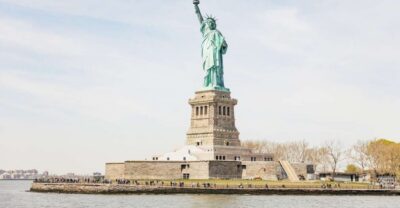
Wall Street Tour with 9/11 Memorial and Statue Ferry
Read our review →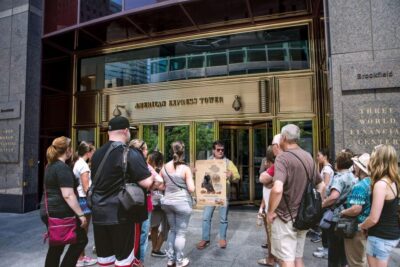
Wall Street and Financial District Walking Tour
Read our review →
Lower Manhattan Tour: Wall Street & 9/11 Memorial
Read our review →
Browse the lists this tour appears in